
GCSE Biology (AQA)
331 videos | 14 hours
Please subscribe to watch this video.
This, and all other videos, are included in our premium subscriptions.
Premium accounts get access to all videos.
Enable autoplay to keep watching
Your browser is blocking videos from playing automatically. To turn it back on:
Safari (Mac): Click the Safari menu item in the top bar, then Settings → Websites → Auto-Play, then set Auto-Play to Allow All Auto-Play for the current website.
Safari (iPhone/iPad): open the Settings app, then Apps → Safari → Auto-Play, and select Allow All Auto-Play.
Abiotic - Soil Conditions
- Soil moisture levels, pH levels, and mineral ions are abiotic factors that affect organisms in a community.
- The amount of available water, soil acidity or alkalinity, and mineral ion availability in the soil impact community organisms.
- For exams, understanding how these abiotic factors affect a community is necessary.
- Water levels are crucial for plant health, affecting their ability to remain upright and not be overwatered.
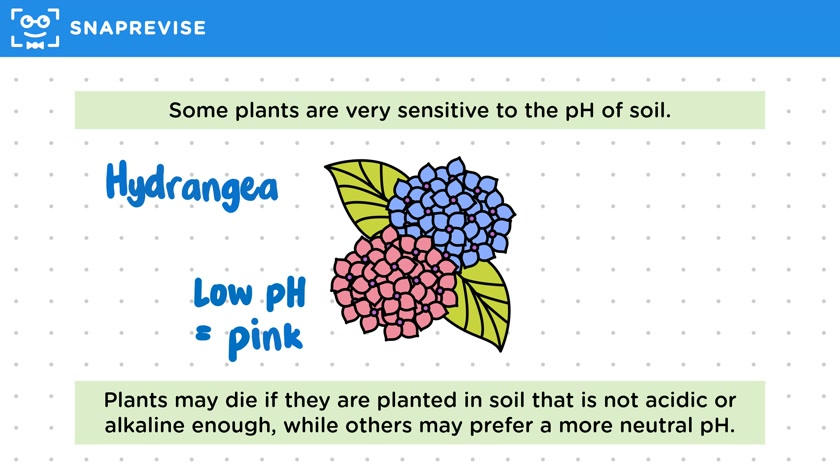
- Soil pH sensitivity varies among plants; for example, hydrangeas show color changes based on soil pH, with acidic soil producing pink flowers and alkaline soil producing blue flowers.
- Mineral ions are essential for plant health, with deficiencies leading to issues like chlorosis, where leaves turn yellow or orange.
- Some plants, like the pitcher plant, have adapted to low mineral ion environments by becoming carnivorous, deriving necessary minerals from digested insects.
Please subscribe to access these revision notes.
This, and all other video notes, are included in our premium subscriptions.
Premium accounts get access to all videos and revision notes.
61
questions for Ecology
3
questions for Adaptations, interdependence and competition