
GCSE Biology (AQA)
331 videos | 14 hours
Please subscribe to watch this video.
This, and all other videos, are included in our premium subscriptions.
Premium accounts get access to all videos.
Enable autoplay to keep watching
Your browser is blocking videos from playing automatically. To turn it back on:
Safari (Mac): Click the Safari menu item in the top bar, then Settings → Websites → Auto-Play, then set Auto-Play to Allow All Auto-Play for the current website.
Safari (iPhone/iPad): open the Settings app, then Apps → Safari → Auto-Play, and select Allow All Auto-Play.
Clinical Trials
- Clinical trials start by testing drugs on healthy volunteers before patients.
- Initial phase involves administering low doses to healthy volunteers to check for unexpected side effects or toxicity.
- Common side effects might include swelling, headaches, nausea, or dizziness.
- If a drug is deemed safe in the first phase, it is then tested on a small group of patients to assess its effectiveness.
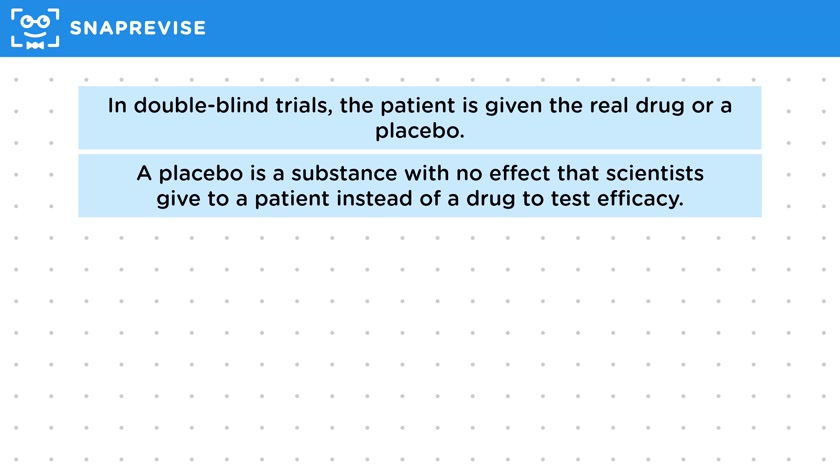
- Drug efficacy is tested using double-blind trials where neither the doctor nor the patient knows if a real drug or a placebo is being administered.
- The purpose of a placebo is to test the drug's effectiveness without psychological bias.
- After establishing a drug's effectiveness, further trials determine the optimum dosage considering factors like cost, side effects, and effectiveness.
- Results from these trials must be peer-reviewed by other scientists to check for flaws before they can be published.
- The peer review process ensures that invalid results are not accepted as correct, preventing false claims about the drug.
Please subscribe to access these revision notes.
This, and all other video notes, are included in our premium subscriptions.
Premium accounts get access to all videos and revision notes.
3
questions for Infection and response
1
questions for Communicable diseases