
GCSE Biology (AQA)
331 videos | 14 hours
Please subscribe to watch this video.
This, and all other videos, are included in our premium subscriptions.
Premium accounts get access to all videos.
Enable autoplay to keep watching
Your browser is blocking videos from playing automatically. To turn it back on:
Safari (Mac): Click the Safari menu item in the top bar, then Settings → Websites → Auto-Play, then set Auto-Play to Allow All Auto-Play for the current website.
Safari (iPhone/iPad): open the Settings app, then Apps → Safari → Auto-Play, and select Allow All Auto-Play.
Coding & Non-Coding DNA
- Coding DNA refers to parts of DNA that code for proteins.
- Ribosomes use information from coding DNA to make proteins.
- Gene expression is the process by which specific genes produce specific proteins.
- Not all DNA codes for proteins; some DNA is non-coding.
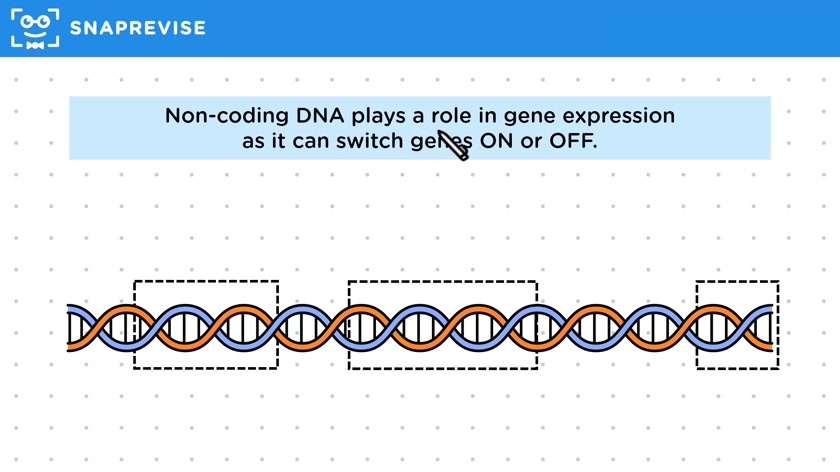
- Non-coding DNA is located between sections of coding DNA.
- Non-coding DNA plays a role in gene expression by switching genes on or off.
- The section of DNA before the coding section can determine whether a gene is turned on or off.
- Non-coding DNA, although not coding for proteins, helps control the genes that do.
- Mutations or variations in non-coding DNA can affect how genes are expressed.
- A mutation in non-coding DNA can change a gene from being off to being on, affecting gene expression.
Please subscribe to access these revision notes.
This, and all other video notes, are included in our premium subscriptions.
Premium accounts get access to all videos and revision notes.
114
questions for Inheritance, variation and evolution
19
questions for Reproduction