
GCSE Biology (AQA)
331 videos | 14 hours
Please subscribe to watch this video.
This, and all other videos, are included in our premium subscriptions.
Premium accounts get access to all videos.
Enable autoplay to keep watching
Your browser is blocking videos from playing automatically. To turn it back on:
Safari (Mac): Click the Safari menu item in the top bar, then Settings → Websites → Auto-Play, then set Auto-Play to Allow All Auto-Play for the current website.
Safari (iPhone/iPad): open the Settings app, then Apps → Safari → Auto-Play, and select Allow All Auto-Play.
Concerns about GM crops
- Some people object to GM crops due to unexplored health risks.
- Concerns include potential health risks from eating GM crops.
- Genetic modification risks are similar to those from traditional selective breeding.
- Herbicide resistance in GM crops can transfer to weeds, potentially reducing crop yields and leading to stronger, more problematic weeds.
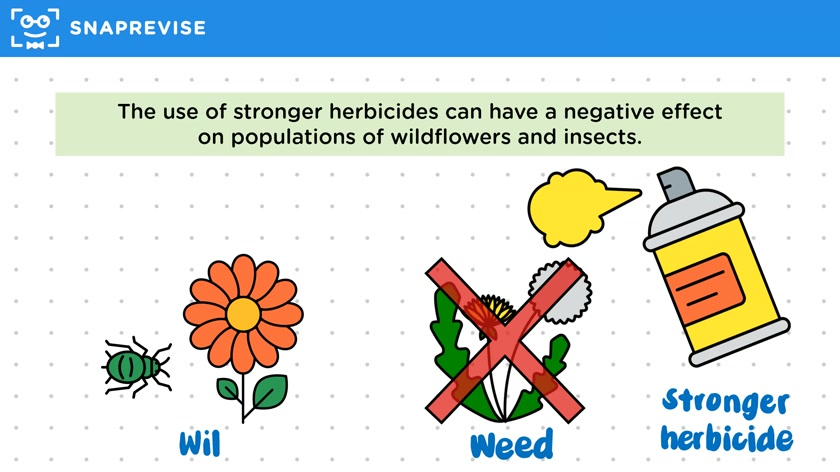
- Stronger herbicides needed to combat resistant weeds can harm wild flowers and insects, reducing biodiversity.
- However, herbicide-resistant crops might require less herbicide overall.
- Benefits of GM crops include disease and herbicide resistance, higher yields, and improved nutritional content.
- Risks include gene transfer to wild plants, creating invasive species, and the necessity for farmers to purchase specific, potentially expensive herbicides.
- The long-term health effects of consuming GM crops remain unknown.
- It's important to balance the benefits and risks of GM crops, especially in academic evaluations.
Please subscribe to access these revision notes.
This, and all other video notes, are included in our premium subscriptions.
Premium accounts get access to all videos and revision notes.
114
questions for Inheritance, variation and evolution
47
questions for Variation and evolution