
GCSE Biology (AQA)
331 videos | 14 hours
Please subscribe to watch this video.
This, and all other videos, are included in our premium subscriptions.
Premium accounts get access to all videos.
Enable autoplay to keep watching
Your browser is blocking videos from playing automatically. To turn it back on:
Safari (Mac): Click the Safari menu item in the top bar, then Settings → Websites → Auto-Play, then set Auto-Play to Allow All Auto-Play for the current website.
Safari (iPhone/iPad): open the Settings app, then Apps → Safari → Auto-Play, and select Allow All Auto-Play.
Embryonic Stem Cells
- Embryonic stem cells are found in zygotes and embryos between one and nine weeks old.
- A zygote is a fertilized ovum, and an embryo develops from the zygote.
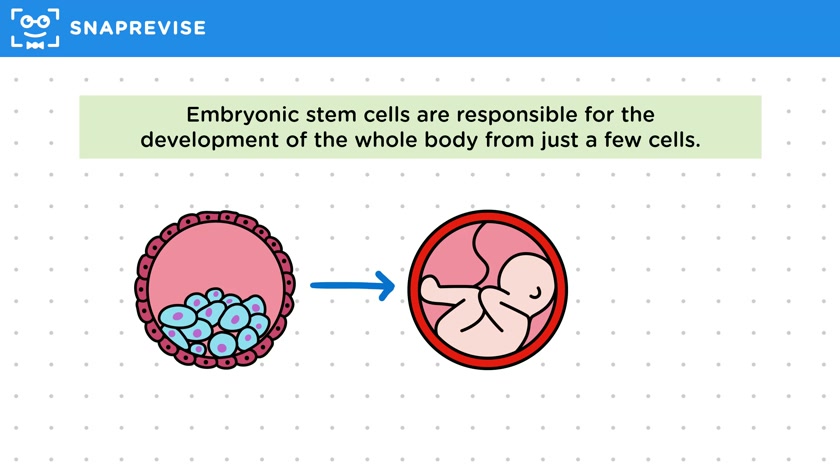
- Embryonic stem cells are responsible for developing the entire body from just a few cells.
- These cells are present from the zygote stage through to the embryo stage up to nine weeks old.
- Embryonic stem cells can differentiate into any type of specialized cell found in the adult organism, such as intestinal cells, muscle cells, and nerve cells.
- These cells are termed totipotent, which distinguishes them from other types of stem cells.
- Once embryonic stem cells have differentiated and specialized, they cannot revert to stem cells or change into other types of cells.
- Understanding the function of embryonic stem cells is important for exams related to biology or medicine.
Please subscribe to access these revision notes.
This, and all other video notes, are included in our premium subscriptions.
Premium accounts get access to all videos and revision notes.
145
questions for Cell biology
54
questions for Cell division