
GCSE Biology (AQA)
331 videos | 14 hours
Please subscribe to watch this video.
This, and all other videos, are included in our premium subscriptions.
Premium accounts get access to all videos.
Enable autoplay to keep watching
Your browser is blocking videos from playing automatically. To turn it back on:
Safari (Mac): Click the Safari menu item in the top bar, then Settings → Websites → Auto-Play, then set Auto-Play to Allow All Auto-Play for the current website.
Safari (iPhone/iPad): open the Settings app, then Apps → Safari → Auto-Play, and select Allow All Auto-Play.
Explaining Biomass Loss
- Biomass loss occurs because not all ingested material is absorbed; some is excreted as feces.
- Key terms explained: "Ingested" means taken into the body, "ingested" also refers to material discharged from the body, and "feces" means poo.
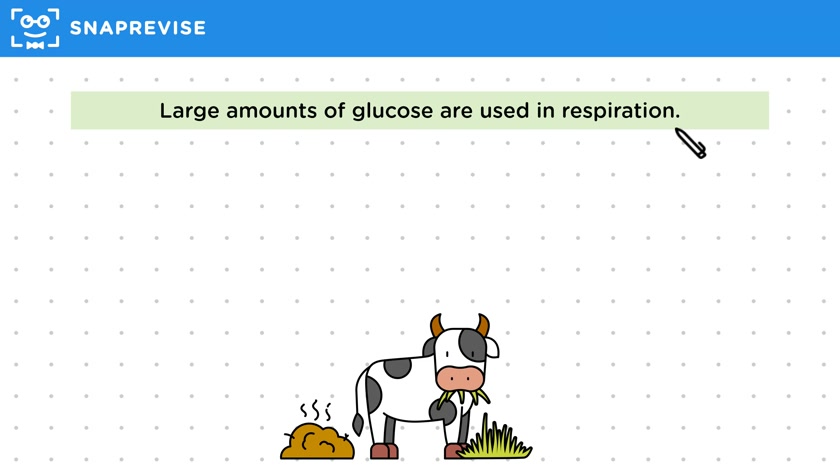
- Example given: A cow eating grass loses some energy as feces because some material is not absorbed and is excreted.
- Biomass is also lost through waste such as carbon dioxide and water from respiration, and urea in urine.
- Respiration, a chemical process in mitochondria, uses glucose and contributes to biomass loss between trophic levels.
- Significant biomass loss at each trophic level leads to shorter food chains, typically no longer than three or four organisms.
- Only about 10% of biomass is passed on to the next trophic level.
- Fewer organisms are supported at higher trophic levels due to less biomass being passed on.
- Example of a food chain: one tree supports 200 caterpillars, which support 20 birds, which in turn support only one lion.
- This pattern illustrates why higher trophic levels support fewer organisms and why long food chains are rare.
Please subscribe to access these revision notes.
This, and all other video notes, are included in our premium subscriptions.
Premium accounts get access to all videos and revision notes.
61
questions for Ecology
15
questions for Trophic levels in an ecosystem (biology only)