
GCSE Biology (AQA)
331 videos | 14 hours
Please subscribe to watch this video.
This, and all other videos, are included in our premium subscriptions.
Premium accounts get access to all videos.
Enable autoplay to keep watching
Your browser is blocking videos from playing automatically. To turn it back on:
Safari (Mac): Click the Safari menu item in the top bar, then Settings → Websites → Auto-Play, then set Auto-Play to Allow All Auto-Play for the current website.
Safari (iPhone/iPad): open the Settings app, then Apps → Safari → Auto-Play, and select Allow All Auto-Play.
Heart Anatomy
- The heart is an organ within the circulatory system.
- The circulatory system consists of the heart, blood vessels, and lungs, where gas exchange occurs.
- The heart is primarily composed of muscle and nervous tissue, enabling it to pump blood throughout the body.
- Cardiac muscle cells, which make up the heart, are specialized cells.
- The coronary arteries supply blood to the heart muscle.
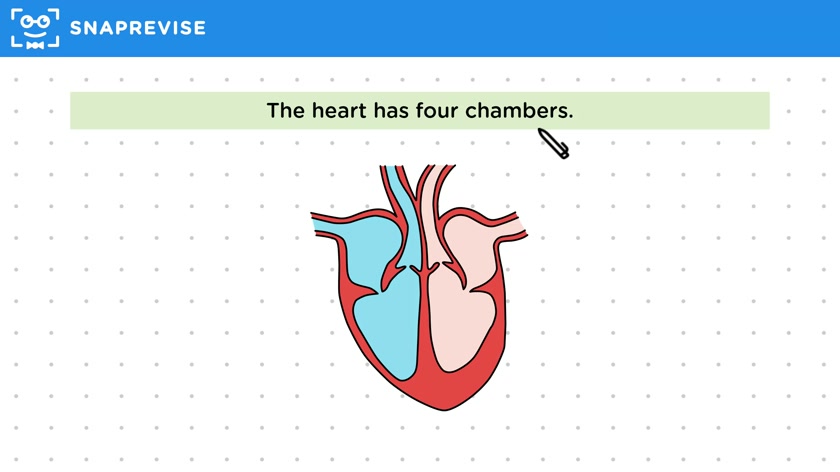
- The heart has four chambers: right atrium, left atrium, right ventricle, and left ventricle.
- The heart's structure is mirrored in diagrams to resemble its position in our body; the left side is more muscular.
- Four main blood vessels are connected to the heart: the vena cava, pulmonary artery, pulmonary vein, and the aorta.
- The heart contains four valves to prevent the backflow of blood, separating the atria from the ventricles and the ventricles from the arteries.
- Understanding the structure and function of the heart, including its chambers, blood vessels, and valves, is essential for exams, though naming specific valves is not required.
Please subscribe to access these revision notes.
This, and all other video notes, are included in our premium subscriptions.
Premium accounts get access to all videos and revision notes.
55
questions for Organisation
47
questions for Animal tissues, organs and organ systems