
GCSE Biology (AQA)
331 videos | 14 hours
Please subscribe to watch this video.
This, and all other videos, are included in our premium subscriptions.
Premium accounts get access to all videos.
Enable autoplay to keep watching
Your browser is blocking videos from playing automatically. To turn it back on:
Safari (Mac): Click the Safari menu item in the top bar, then Settings → Websites → Auto-Play, then set Auto-Play to Allow All Auto-Play for the current website.
Safari (iPhone/iPad): open the Settings app, then Apps → Safari → Auto-Play, and select Allow All Auto-Play.
Heart Transplants
- Heart or heart and lung transplants are needed when these organs fail.
- Heart failure occurs when the heart stops beating effectively.
- Heart transplants involve replacing a faulty heart with a donor heart.
- Donor hearts are sourced from individuals who have donated their organs post-mortem.
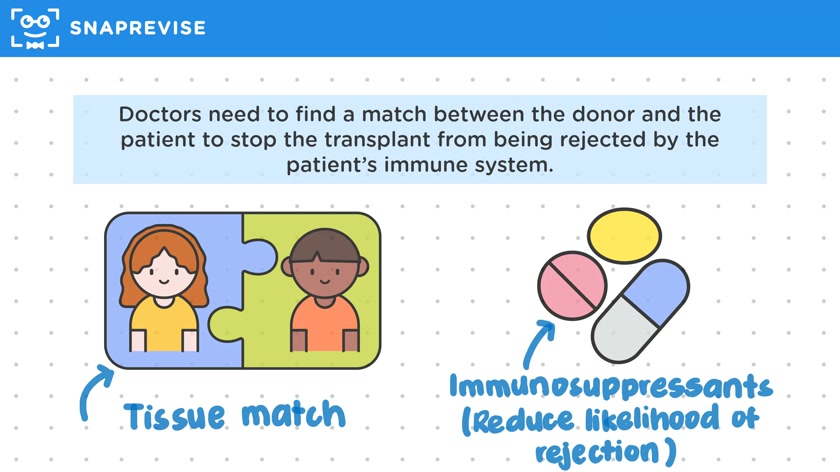
- Matching donor and recipient tissue is crucial to prevent transplant rejection.
- Post-transplant, patients must take immunosuppressants to reduce rejection risks, which suppresses the immune system and increases infection risk.
- Patients often face long waiting lists for suitable donor organs.
- Artificial hearts can be used temporarily while waiting for a transplant.
- The procedure to implant an artificial heart is invasive and usually requires a prolonged hospital stay.
- Heart transplants have a long recovery period but can significantly extend and improve the quality of life.
- Risks of heart transplants include lengthy operations, potential for bleeding and infection, and the lifelong need for immunosuppressants.
Please subscribe to access these revision notes.
This, and all other video notes, are included in our premium subscriptions.
Premium accounts get access to all videos and revision notes.
55
questions for Organisation
47
questions for Animal tissues, organs and organ systems