
GCSE Biology (AQA)
331 videos | 14 hours
Please subscribe to watch this video.
This, and all other videos, are included in our premium subscriptions.
Premium accounts get access to all videos.
Enable autoplay to keep watching
Your browser is blocking videos from playing automatically. To turn it back on:
Safari (Mac): Click the Safari menu item in the top bar, then Settings → Websites → Auto-Play, then set Auto-Play to Allow All Auto-Play for the current website.
Safari (iPhone/iPad): open the Settings app, then Apps → Safari → Auto-Play, and select Allow All Auto-Play.
Hormonal Contraception
- Hormonal contraception uses hormones to prevent pregnancy.
- Contraceptives are methods used to prevent pregnancy, all aiming to stop fertilization.
- Hormonal methods do not protect against sexually transmitted infections (STIs); barrier methods like condoms are needed for STI prevention.
- Hormonal contraceptives primarily target the female reproductive system.
- Examples of hormonal contraceptives include oral contraceptives (pills), contraceptive injections, skin patches, implants, and hormonal intrauterine devices (IUDs).
- Oral contraceptives, known as "the pill," may contain estrogen, progesterone, or both.
- Estrogen in the pill inhibits the production of follicle-stimulating hormone (FSH), preventing egg maturation and fertilization.
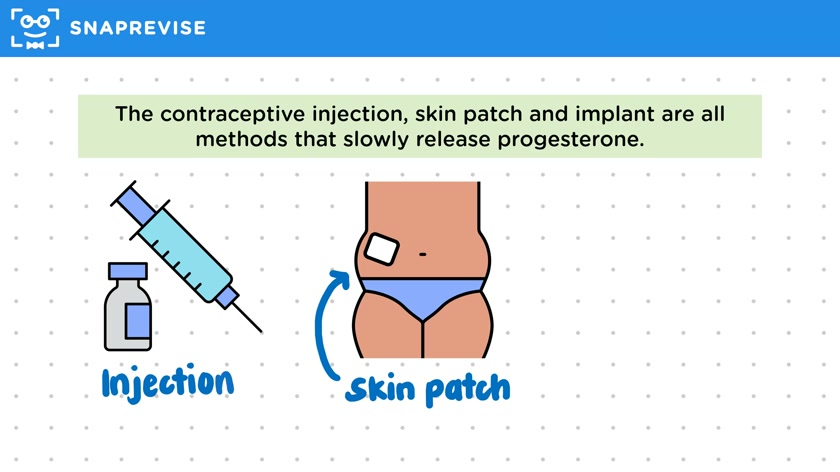
- Other hormonal methods like injections, patches, and implants release progesterone, which also inhibits egg maturation and release.
- The contraceptive injection lasts 8-13 weeks, skin patches last about a week, and implants can last around three years.
- Hormonal IUDs are T-shaped devices inserted into the uterus, releasing progesterone to prevent egg maturation and release.
- Hormonal IUDs are also known as intrauterine systems (IUS) to distinguish them from non-hormonal copper IUDs.
Please subscribe to access these revision notes.
This, and all other video notes, are included in our premium subscriptions.
Premium accounts get access to all videos and revision notes.
162
questions for Homeostasis and response
99
questions for Hormonal coordination in humans