
GCSE Biology (AQA)
331 videos | 14 hours
Please subscribe to watch this video.
This, and all other videos, are included in our premium subscriptions.
Premium accounts get access to all videos.
Enable autoplay to keep watching
Your browser is blocking videos from playing automatically. To turn it back on:
Safari (Mac): Click the Safari menu item in the top bar, then Settings → Websites → Auto-Play, then set Auto-Play to Allow All Auto-Play for the current website.
Safari (iPhone/iPad): open the Settings app, then Apps → Safari → Auto-Play, and select Allow All Auto-Play.
Human & Financial Cost of Disease
- Non-communicable diseases cause physical symptoms and additional burdens.
- In the UK, the NHS provides free healthcare, but in other countries, individuals may face treatment costs.
- Diseases can lead to work absences, resulting in reduced income and missed career opportunities.
- Symptoms of non-communicable diseases can reduce quality of life, shorten lifespan, and cause stress and mental health decline.
- These diseases strain both the individual and their close relationships.
- On a larger scale, diseases have social and economic impacts locally, nationally, and globally.
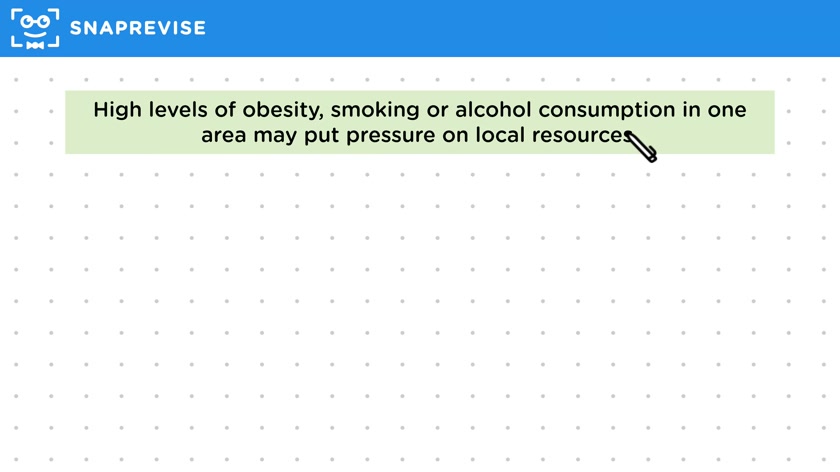
- Locally, high levels of obesity, smoking, or alcohol consumption can strain healthcare resources like hospital beds.
- Nationally, in the UK, the NHS bears the healthcare costs, affecting national spending on hospitals, treatments, and medications.
- Economically, fewer people working due to illness impacts the country's economy.
- Globally, non-communicable diseases can hinder a country's development if treatments are unaffordable for low-income families, reducing the workforce and limiting economic growth.
- Understanding the costs of diseases at local, national, and global levels is crucial for discussions and exams.
Please subscribe to access these revision notes.
This, and all other video notes, are included in our premium subscriptions.
Premium accounts get access to all videos and revision notes.
55
questions for Organisation
47
questions for Animal tissues, organs and organ systems