
GCSE Biology (AQA)
331 videos | 14 hours
Please subscribe to watch this video.
This, and all other videos, are included in our premium subscriptions.
Premium accounts get access to all videos.
Enable autoplay to keep watching
Your browser is blocking videos from playing automatically. To turn it back on:
Safari (Mac): Click the Safari menu item in the top bar, then Settings → Websites → Auto-Play, then set Auto-Play to Allow All Auto-Play for the current website.
Safari (iPhone/iPad): open the Settings app, then Apps → Safari → Auto-Play, and select Allow All Auto-Play.
Identifying Plant Diseases
- Plant diseases can be identified through various methods.
- Specific diseases are often associated with particular plants, and symptoms can be researched in gardening books or online.
- Disease identification can also be conducted by scientists in laboratories.
- Infected plants or specimens are taken to specialist plant clinics with laboratories.
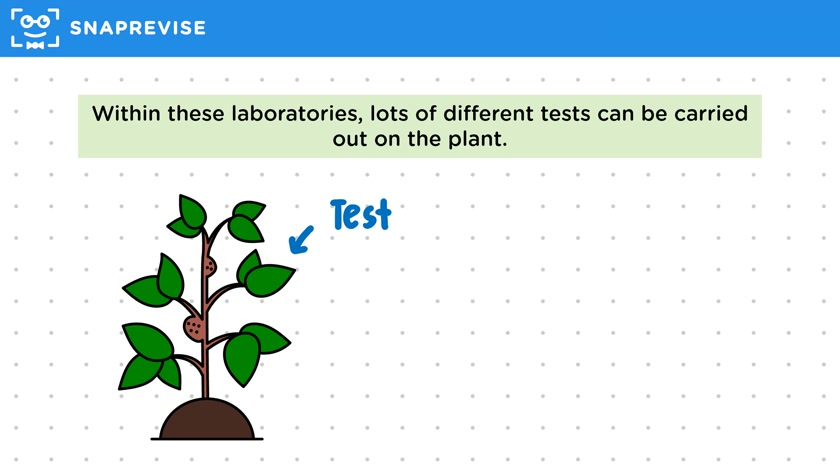
- In these laboratories, various tests are performed on the plants by expert scientists.
- Laboratories have access to specialized equipment and data for disease identification.
- Another method for identifying plant pathogens involves using testing kits with monoclonal antibodies.
- These kits allow specific pathogens to be identified by marking them with antibodies, making them visible on the test kit as a positive result.
- The use of monoclonal antibodies in testing kits is a key technique for pathogen identification.
Please subscribe to access these revision notes.
This, and all other video notes, are included in our premium subscriptions.
Premium accounts get access to all videos and revision notes.
3
questions for Infection and response
2
questions for Plant disease (biology only)