
GCSE Biology (AQA)
331 videos | 14 hours
Please subscribe to watch this video.
This, and all other videos, are included in our premium subscriptions.
Premium accounts get access to all videos.
Enable autoplay to keep watching
Your browser is blocking videos from playing automatically. To turn it back on:
Safari (Mac): Click the Safari menu item in the top bar, then Settings → Websites → Auto-Play, then set Auto-Play to Allow All Auto-Play for the current website.
Safari (iPhone/iPad): open the Settings app, then Apps → Safari → Auto-Play, and select Allow All Auto-Play.
Infertility & Hormones
- Infertility is defined as the inability to get pregnant despite having regular unprotected sex.
- There are various reproductive technologies available to treat infertility.
- Common treatments include hormonal treatments which involve taking or injecting reproductive hormones to stimulate hormone production by the body.
- Assisted conception is another method that physically supports the fertilization of the egg by the sperm, often involving hormones.
- Surgical methods are also available but not detailed in the discussion.
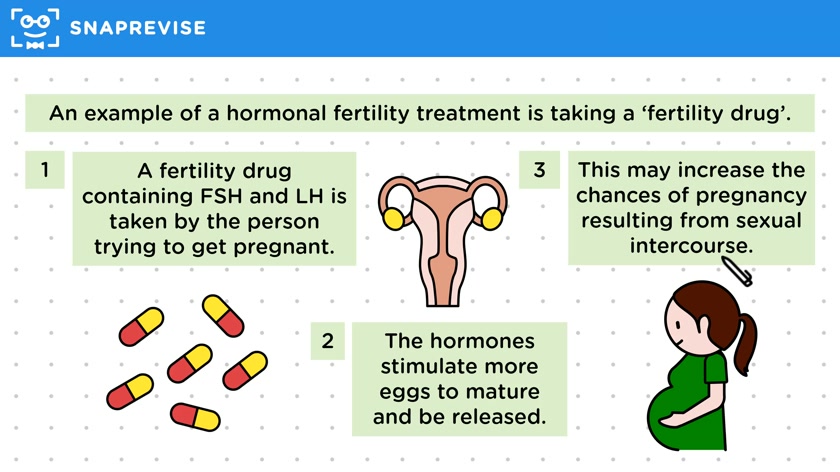
- Specific examples of hormonal fertility treatments include drugs containing FSH (follicle stimulating hormone) and LH (luteinizing hormone), which help eggs mature and stimulate their release.
- Fertility treatments can increase the chances of pregnancy from sexual intercourse.
- Advantages of fertility treatments include the potential for individuals to conceive.
- Disadvantages include emotional and physical stress, low success rates, and the risk of multiple births, which can be dangerous for both the babies and the pregnant person.
- Factors to consider when deciding on fertility treatments include accessibility, suitability, patient's age, weight, affordability, chance of success, side effects, and whether the patient smokes.
- Both patients and doctors need to carefully evaluate these factors before proceeding with fertility treatments.
Please subscribe to access these revision notes.
This, and all other video notes, are included in our premium subscriptions.
Premium accounts get access to all videos and revision notes.
162
questions for Homeostasis and response
99
questions for Hormonal coordination in humans