
GCSE Biology (AQA)
331 videos | 14 hours
Please subscribe to watch this video.
This, and all other videos, are included in our premium subscriptions.
Premium accounts get access to all videos.
Enable autoplay to keep watching
Your browser is blocking videos from playing automatically. To turn it back on:
Safari (Mac): Click the Safari menu item in the top bar, then Settings → Websites → Auto-Play, then set Auto-Play to Allow All Auto-Play for the current website.
Safari (iPhone/iPad): open the Settings app, then Apps → Safari → Auto-Play, and select Allow All Auto-Play.
Measles
- Measles is a highly infectious viral disease spread through air droplets from coughs and sneezes of infected individuals.
- The virus infects and damages the host's cells.
- Main transmission route is through airborne droplets.
- Symptoms include fever and a red skin rash; fever is the body's response to infection.
- There are no medications to cure the virus; treatment focuses on alleviating symptoms.
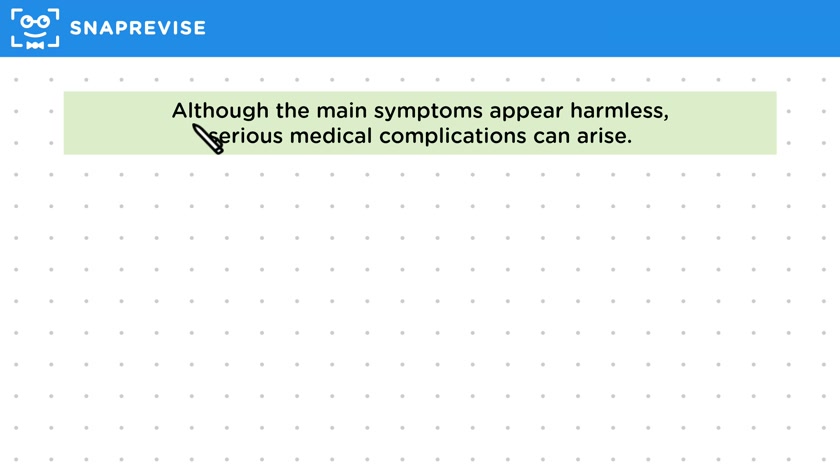
- Serious complications from measles can include brain damage, blindness, sterility in adults, and fetal abnormalities such as low birth weight.
- Measles can be fatal, especially if complications arise.
- Vaccination is crucial and is typically administered to babies as part of the MMR vaccine (measles, mumps, rubella) to provide immunity and prevent these serious outcomes.
Please subscribe to access these revision notes.
This, and all other video notes, are included in our premium subscriptions.
Premium accounts get access to all videos and revision notes.
3
questions for Infection and response
1
questions for Communicable diseases