
GCSE Biology (AQA)
331 videos | 14 hours
Please subscribe to watch this video.
This, and all other videos, are included in our premium subscriptions.
Premium accounts get access to all videos.
Enable autoplay to keep watching
Your browser is blocking videos from playing automatically. To turn it back on:
Safari (Mac): Click the Safari menu item in the top bar, then Settings → Websites → Auto-Play, then set Auto-Play to Allow All Auto-Play for the current website.
Safari (iPhone/iPad): open the Settings app, then Apps → Safari → Auto-Play, and select Allow All Auto-Play.
Metabolism
- Metabolism encompasses all reactions within a cell or body, utilizing energy from respiration.
- Metabolic processes are continuously regulated by enzymes and involve both synthesis and breakdown of molecules.
- Enzymes control the speed of metabolic reactions.
- An example of synthesis in metabolism is the formation of molecules from different reactants.
- Metabolic processes include the conversion of glucose into polymers like starch, glycogen, and cellulose, which can be broken down back into glucose by enzymes for use in respiration.
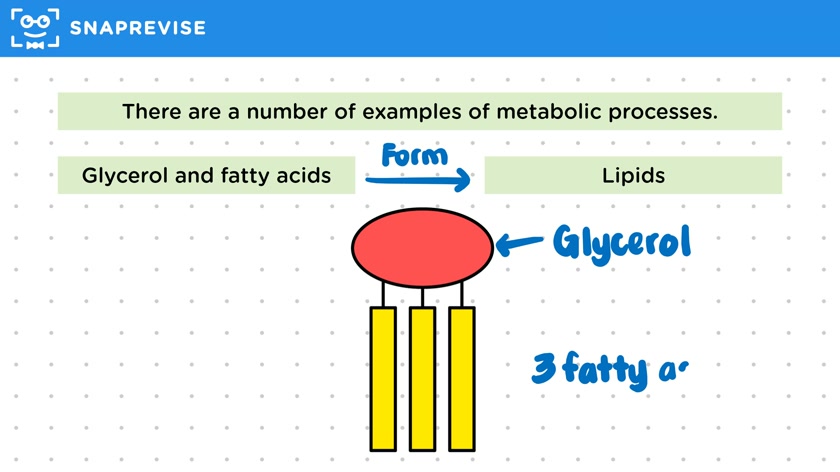
- Glycerol and fatty acids can be converted into lipids (fats), which can also be broken down by enzymes.
- Glucose and nitrate ions combine to form amino acids, which link to create proteins through protein synthesis.
- Proteins can be broken down into amino acids for other uses within the body.
- Respiration, a crucial metabolic process, occurs in mitochondria, transferring energy from glucose for metabolic processes and producing carbon dioxide, water, and energy.
- Waste products of metabolism, such as urea, result from protein breakdown and are excreted in urine.
Please subscribe to access these revision notes.
This, and all other video notes, are included in our premium subscriptions.
Premium accounts get access to all videos and revision notes.
50
questions for Bioenergetics
21
questions for Respiration