
GCSE Biology (AQA)
331 videos | 14 hours
Please subscribe to watch this video.
This, and all other videos, are included in our premium subscriptions.
Premium accounts get access to all videos.
Enable autoplay to keep watching
Your browser is blocking videos from playing automatically. To turn it back on:
Safari (Mac): Click the Safari menu item in the top bar, then Settings → Websites → Auto-Play, then set Auto-Play to Allow All Auto-Play for the current website.
Safari (iPhone/iPad): open the Settings app, then Apps → Safari → Auto-Play, and select Allow All Auto-Play.
Modern Intensive Farming
- Modern intensive farming methods have both advantages and disadvantages, applicable to raising animals and growing food crops.
- Advantages include keeping animals warm and comfortable indoors, allowing for greater control over their conditions and diet.
- Intensive farming methods enable the production of cheap meat quickly to meet increasing demand.
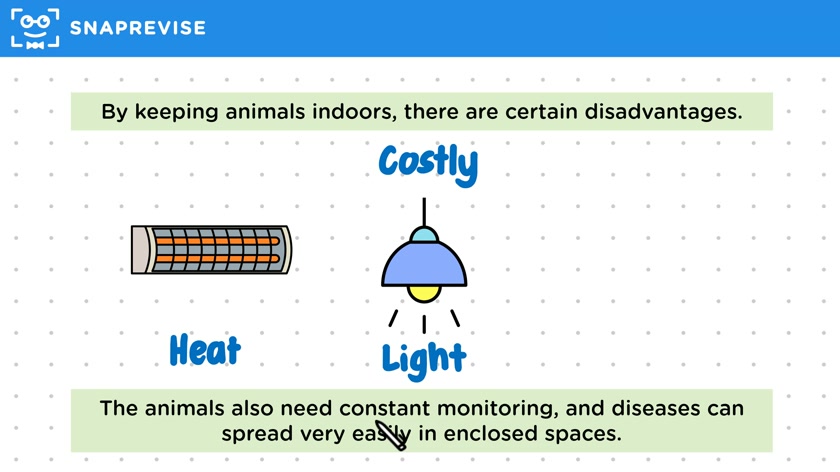
- Disadvantages include higher costs for farmers due to the need for heating and lighting, increased disease risk in enclosed spaces leading to higher vet costs and potential profit loss, and poor animal welfare.
- Fish farming is becoming more common as wild fish stocks decline, helping protect these stocks while producing affordable fish.
- Ethical objections exist regarding the intensive conditions in which animals are farmed; for example, keeping chickens in small cages is banned in the UK.
- Modern farming techniques often involve a compromise between cost-effectiveness and animal welfare.
- For exams, students should consider the balance between cost and animal welfare when evaluating the advantages and disadvantages of intensive farming.
Please subscribe to access these revision notes.
This, and all other video notes, are included in our premium subscriptions.
Premium accounts get access to all videos and revision notes.
61
questions for Ecology
18
questions for Food production (biology only)