
GCSE Biology (AQA)
331 videos | 14 hours
Please subscribe to watch this video.
This, and all other videos, are included in our premium subscriptions.
Premium accounts get access to all videos.
Enable autoplay to keep watching
Your browser is blocking videos from playing automatically. To turn it back on:
Safari (Mac): Click the Safari menu item in the top bar, then Settings → Websites → Auto-Play, then set Auto-Play to Allow All Auto-Play for the current website.
Safari (iPhone/iPad): open the Settings app, then Apps → Safari → Auto-Play, and select Allow All Auto-Play.
Plants versus Herbivores
- Plants have developed mechanical defenses to avoid being eaten.
- Without these adaptations, plants would quickly die out.
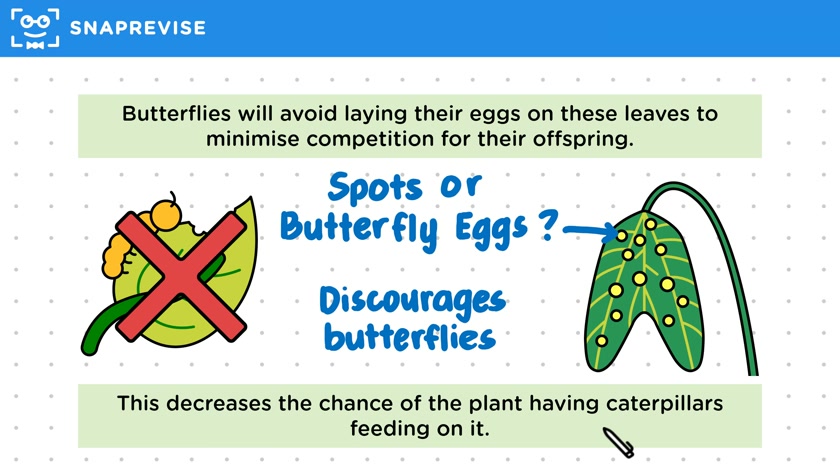
- Some plants use mimicry, such as the passion fruit plant which has spots resembling butterfly eggs to deter butterflies from laying eggs there.
- This mimicry reduces the likelihood of caterpillars feeding on the plant.
- Other plants have leaves that curl or droop when touched, making it difficult for insects to consume them, such as the mimosa pika plant.
- Many plants have physical barriers like thorns, spines, or tiny hairs:
- Blackberry bushes have thorns to deter animals.
- Cacti have spines to protect themselves and conserve water.
- Tomato plants have tiny hairs on their stems to prevent insects from landing and feeding.
Please subscribe to access these revision notes.
This, and all other video notes, are included in our premium subscriptions.
Premium accounts get access to all videos and revision notes.
3
questions for Infection and response
2
questions for Plant disease (biology only)