
GCSE Biology (AQA)
331 videos | 14 hours
Please subscribe to watch this video.
This, and all other videos, are included in our premium subscriptions.
Premium accounts get access to all videos.
Enable autoplay to keep watching
Your browser is blocking videos from playing automatically. To turn it back on:
Safari (Mac): Click the Safari menu item in the top bar, then Settings → Websites → Auto-Play, then set Auto-Play to Allow All Auto-Play for the current website.
Safari (iPhone/iPad): open the Settings app, then Apps → Safari → Auto-Play, and select Allow All Auto-Play.
The Endocrine System
- The endocrine system consists of glands that produce hormones.
- Hormones are chemical messengers that travel in the blood.
- Glands are located throughout the body.
- The endocrine system shares similarities with the nervous system in allowing body parts to communicate.
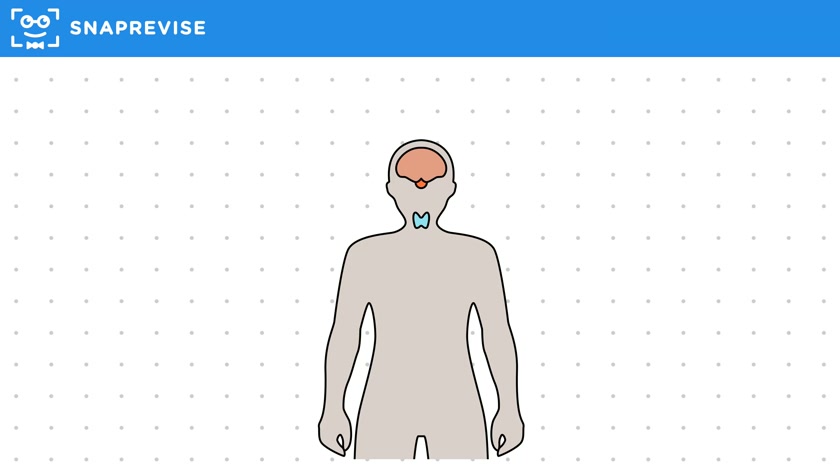
- The pituitary gland, located at the base of the brain inside the skull, is pea-sized and regulates other glands.
- The thyroid gland, found in the neck, controls metabolism and growth.
- The pancreas, situated in the upper abdomen, regulates blood glucose levels.
- The adrenal glands, positioned on top of the kidneys, produce adrenaline to help the body respond to danger.
- The ovaries, part of the female reproductive system, produce hormones estrogen and progesterone.
- The testes, part of the male reproductive system, produce the hormone testosterone.
Please subscribe to access these revision notes.
This, and all other video notes, are included in our premium subscriptions.
Premium accounts get access to all videos and revision notes.
162
questions for Homeostasis and response
99
questions for Hormonal coordination in humans