
GCSE Biology (AQA)
331 videos | 14 hours
Please subscribe to watch this video.
This, and all other videos, are included in our premium subscriptions.
Premium accounts get access to all videos.
Enable autoplay to keep watching
Your browser is blocking videos from playing automatically. To turn it back on:
Safari (Mac): Click the Safari menu item in the top bar, then Settings → Websites → Auto-Play, then set Auto-Play to Allow All Auto-Play for the current website.
Safari (iPhone/iPad): open the Settings app, then Apps → Safari → Auto-Play, and select Allow All Auto-Play.
Type 1 & Type 2 Diabetes
- Diabetes is a disorder where the body cannot control its blood glucose concentration.
- A graph illustrates blood glucose levels, with the green line representing optimal levels and the red dashed line showing levels in a diabetic person.
- Blood glucose levels in diabetics are consistently higher and peak significantly after meals (breakfast, lunch, dinner).
- High glucose levels can damage blood vessels and other tissues.
- There are two main types of diabetes: type one and type two.
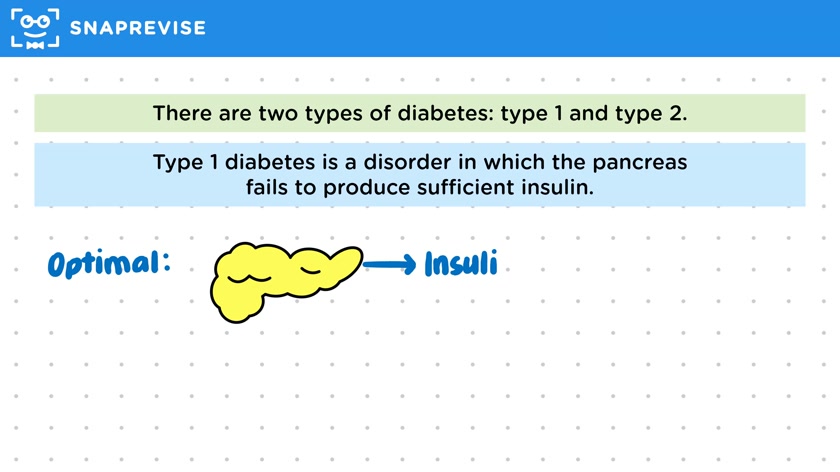
- Type one diabetes involves the pancreas failing to produce sufficient insulin, leading to uncontrolled high glucose levels.
- Type two diabetes occurs when body cells no longer respond to insulin produced by the pancreas, despite its continued production.
- Type one diabetes typically develops in childhood, while type two usually appears in late adulthood.
- Main risk factors for type one diabetes are genetic, whereas for type two diabetes, they are lifestyle-related.
- Both genetics and lifestyle factors can influence both types of diabetes.
Please subscribe to access these revision notes.
This, and all other video notes, are included in our premium subscriptions.
Premium accounts get access to all videos and revision notes.
162
questions for Homeostasis and response
99
questions for Hormonal coordination in humans