
GCSE Chemistry (AQA)
196 videos | 19 hours
Please subscribe to watch this video.
This, and all other videos, are included in our premium subscriptions.
Premium accounts get access to all videos.
Enable autoplay to keep watching
Your browser is blocking videos from playing automatically. To turn it back on:
Safari (Mac): Click the Safari menu item in the top bar, then Settings → Websites → Auto-Play, then set Auto-Play to Allow All Auto-Play for the current website.
Safari (iPhone/iPad): open the Settings app, then Apps → Safari → Auto-Play, and select Allow All Auto-Play.
Covalent Bonding Diagrams
- Simple covalent molecules can be represented using dot and cross diagrams.
- Example: Hydrogen molecule (H2) with a single covalent bond.
- Shared bonding pair of electrons are shown where circles intersect.
- Electrons from one atom are usually dots, and crosses for the other.
- Chlorine molecule (Cl2) also has a single covalent bond.
- Lone pairs of electrons not involved in bonding must be drawn.
- Ensure all electrons in the outer shell are shown, not just the shared pair.
- Full outer shells indicate stability.
- Sometimes inner shells are shown in dot and cross diagrams.
- Dot and cross diagrams can be drawn without showing the shells.
- Covalent bonds can be represented by lines in structural formulas.
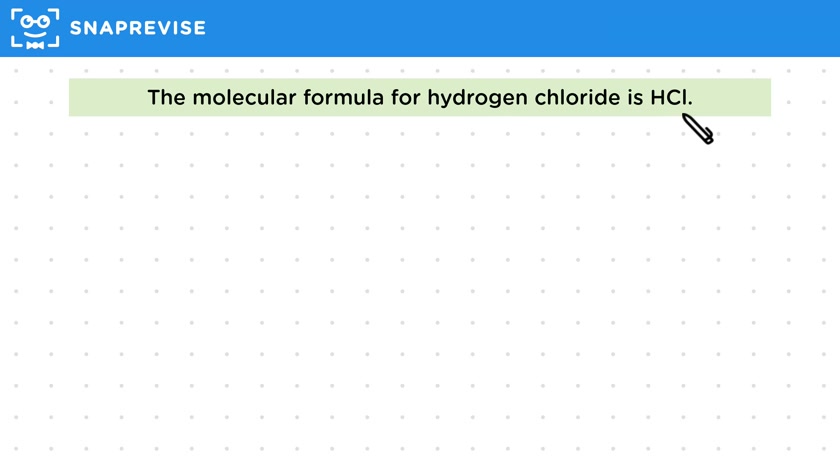
- Example: Hydrogen chloride (HCl) with a single covalent bond.
- Water (H2O) has two single covalent bonds.
- Oxygen molecule (O2) has a double covalent bond.
- Nitrogen molecule (N2) has a triple covalent bond.
- Molecular formulas can be determined from diagrams.
- Example: Ammonia (NH3) and methane (CH4) molecular formulas.
Please subscribe to access these revision notes.
This, and all other video notes, are included in our premium subscriptions.
Premium accounts get access to all videos and revision notes.
40
questions for Bonding, structure, and the properties of matter
13
questions for Chemical bonds, ionic, covalent and metallic