
GCSE Chemistry (AQA)
196 videos | 19 hours
Please subscribe to watch this video.
This, and all other videos, are included in our premium subscriptions.
Premium accounts get access to all videos.
Enable autoplay to keep watching
Your browser is blocking videos from playing automatically. To turn it back on:
Safari (Mac): Click the Safari menu item in the top bar, then Settings → Websites → Auto-Play, then set Auto-Play to Allow All Auto-Play for the current website.
Safari (iPhone/iPad): open the Settings app, then Apps → Safari → Auto-Play, and select Allow All Auto-Play.
Effects of Atmospheric Pollutants
- Atmospheric pollutants harm the environment and human health.
- Power plants generate electricity by burning fossil fuels, releasing gases into the atmosphere.
- Gases produced include carbon dioxide, carbon monoxide, water vapor, sulfur dioxide, and nitrogen oxides.
- Carbon particulates are also released with these gases.
- Carbon monoxide is toxic, produced by incomplete combustion, and binds to hemoglobin, reducing oxygen in blood.
- Carbon monoxide is colorless and odorless, making it hard to detect, hence the need for carbon monoxide alarms.
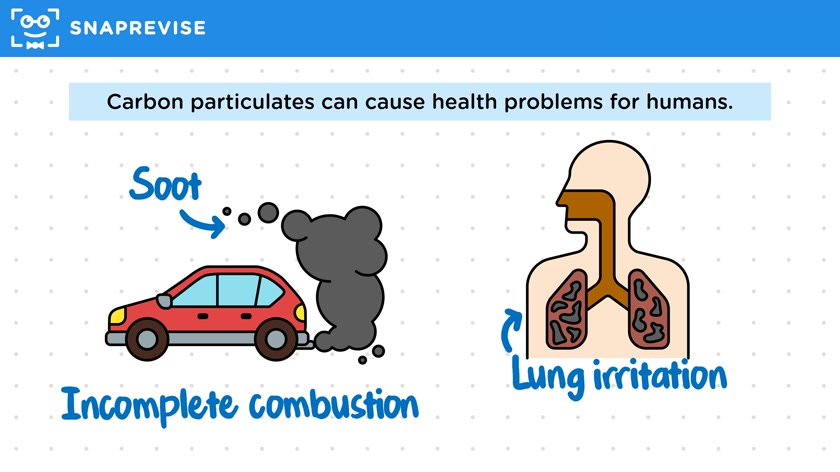
- Carbon particulates cause health issues, such as lung irritation and breathing problems, and can lead to cancer and heart problems.
- Carbon particulates contribute to global dimming, reducing sunlight and affecting plant growth.
- Sulfur dioxide and nitrogen oxides cause respiratory problems and can lead to asthma.
- Nitrogen oxides can produce photochemical smog, causing severe asthma attacks or death.
- Sulfur dioxide and nitrogen oxides cause acid rain, which corrodes metals, damages limestone buildings, and disrupts pH levels in soils and water habitats.
Please subscribe to access these revision notes.
This, and all other video notes, are included in our premium subscriptions.
Premium accounts get access to all videos and revision notes.
19
questions for Chemistry of the atmosphere
3
questions for Common atmospheric pollutants and their sources