
GCSE Chemistry (AQA)
196 videos | 19 hours
Please subscribe to watch this video.
This, and all other videos, are included in our premium subscriptions.
Premium accounts get access to all videos.
Enable autoplay to keep watching
Your browser is blocking videos from playing automatically. To turn it back on:
Safari (Mac): Click the Safari menu item in the top bar, then Settings → Websites → Auto-Play, then set Auto-Play to Allow All Auto-Play for the current website.
Safari (iPhone/iPad): open the Settings app, then Apps → Safari → Auto-Play, and select Allow All Auto-Play.
Extraction of Metals
- Metals used in everyday objects come from the Earth's crust.
- Cooking pans are typically made from cast iron for heat conduction.
- Aluminum is used for drink cans due to its durability.
- Jewelry is often made from gold and other valuable metals.
- Mobile phones and devices use rare metals for important components and common metals like aluminum and nickel for circuitry and casings.
- Unreactive metals like gold are found as uncombined elements in the Earth's crust.
- Gold, with the chemical symbol Au, is easily extracted and melted into ingots.
- Most metals are found as compounds, commonly as metal oxides in ores.
- Iron is typically found as iron oxide (Fe2O3) in the Earth's crust.
- Chemical reactions are needed to separate metals from their compounds.
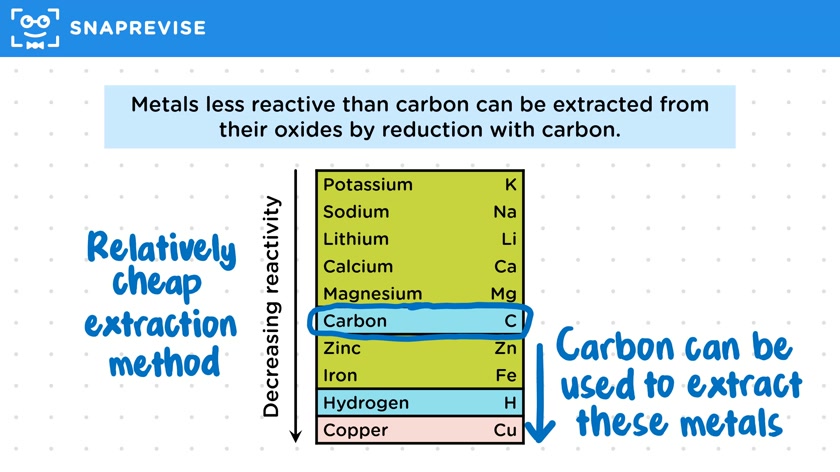
- Metals less reactive than carbon can be extracted from oxides by reduction with carbon.
- The activity series helps determine which metals can be extracted using carbon reduction.
- Reduction by carbon is a cost-effective extraction method for metals like zinc, iron, and copper.
- In carbon reduction, oxygen is removed from the metal compound, allowing metal extraction.
- Example: Extracting copper from copper oxide involves a reduction reaction where copper oxide loses oxygen.
- Electrolysis is used to extract metals more reactive than carbon.
- Electrolysis involves a setup for the electrolysis of metal oxides, such as aluminum oxide.
- This process separates metal from oxygen, forming metal on one side and oxygen gas on the other.
- Electrolysis is used when metals are too reactive for carbon reduction or react with carbon.
- Electrolysis requires large energy amounts, making it expensive.
- Reduction with carbon is preferred if possible due to lower costs.
Please subscribe to access these revision notes.
This, and all other video notes, are included in our premium subscriptions.
Premium accounts get access to all videos and revision notes.
80
questions for Chemical changes
29
questions for Reactivity of metals