
GCSE Chemistry (AQA)
196 videos | 19 hours
Please subscribe to watch this video.
This, and all other videos, are included in our premium subscriptions.
Premium accounts get access to all videos.
Enable autoplay to keep watching
Your browser is blocking videos from playing automatically. To turn it back on:
Safari (Mac): Click the Safari menu item in the top bar, then Settings → Websites → Auto-Play, then set Auto-Play to Allow All Auto-Play for the current website.
Safari (iPhone/iPad): open the Settings app, then Apps → Safari → Auto-Play, and select Allow All Auto-Play.
Greenhouse Effect
- Greenhouse gases in the atmosphere maintain temperatures on Earth high enough to support life.
- The atmosphere is a mixture of gases, primarily nitrogen and oxygen, held close to Earth by gravity.
- Greenhouse gases, including water vapor, carbon dioxide, and methane, play an important role in maintaining Earth's temperature.
- Greenhouse gases function similarly to a greenhouse, trapping heat from the sun.
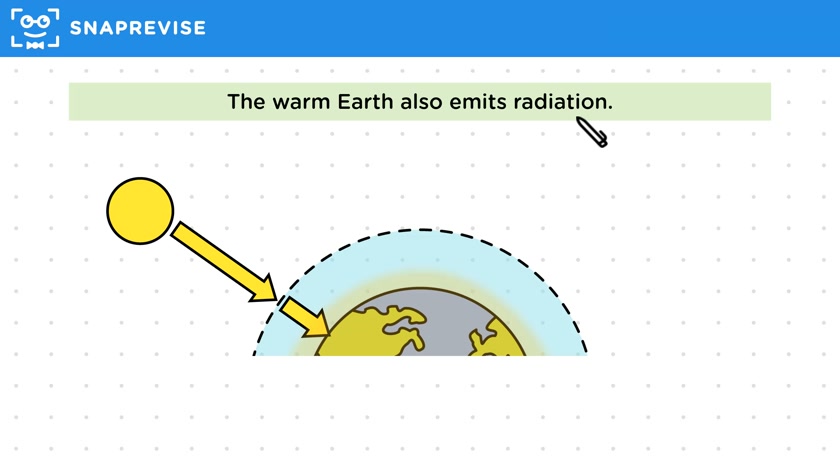
- The sun emits radiation, including short wavelength radiation like infrared, UV waves, and visible light, which reaches Earth.
- Greenhouse gases allow short wavelength radiation from the sun to pass through the Earth's atmosphere, warming the Earth.
- The Earth emits longer wavelength radiation as it tries to lose heat.
- Some of this longer wavelength radiation escapes into space, while some is absorbed by greenhouse gases and reflected back to Earth.
- This reflection of radiation back to Earth by greenhouse gases is the greenhouse effect, which is essential for supporting life.
- Without the greenhouse effect, Earth would be about 18 degrees cooler on average, too cold to support life.
Please subscribe to access these revision notes.
This, and all other video notes, are included in our premium subscriptions.
Premium accounts get access to all videos and revision notes.
19
questions for Chemistry of the atmosphere
2
questions for Carbon dioxide and methane as greenhouse gases