
GCSE Chemistry (AQA)
196 videos | 19 hours
Please subscribe to watch this video.
This, and all other videos, are included in our premium subscriptions.
Premium accounts get access to all videos.
Enable autoplay to keep watching
Your browser is blocking videos from playing automatically. To turn it back on:
Safari (Mac): Click the Safari menu item in the top bar, then Settings → Websites → Auto-Play, then set Auto-Play to Allow All Auto-Play for the current website.
Safari (iPhone/iPad): open the Settings app, then Apps → Safari → Auto-Play, and select Allow All Auto-Play.
Preventing Corrosion
- Coatings protect metal objects from corrosion.
- Cars are made from steel and coated with special paints for color and protection.
- Coatings prevent water and oxygen from reaching the metal.
- Steel contains iron, which is susceptible to rusting, requiring non-reactive coatings.
- Metals can be painted to prevent corrosion.
- Painted metal fences are protected from rusting outdoors.
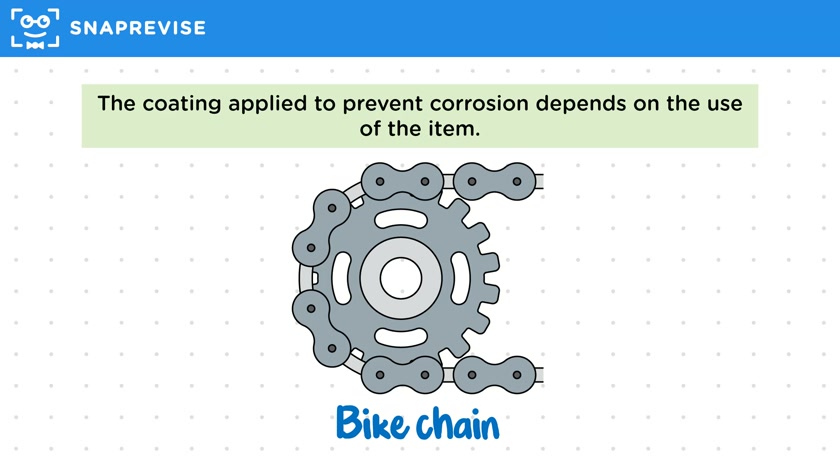
- Greasing metals, like bicycle chains, prevents corrosion by forming a protective layer.
- Electroplating uses electrolysis to form a protective layer of another metal.
- Electroplating is common for jewelry and cutlery.
- The coating method depends on the use of the item (e.g., greasing a bicycle chain instead of painting).
- Aluminum forms its own oxide coating that prevents further corrosion.
- Coating with a more reactive metal (sacrificial protection) protects the base metal.
- Zinc is often used for sacrificial protection, such as on boat hulls and galvanized nails.
- Methods to protect metals from corrosion include greasing, painting, electroplating, and sacrificial protection.
- Sacrificial protection involves using a more reactive metal to corrode instead of the base metal.
Please subscribe to access these revision notes.
This, and all other video notes, are included in our premium subscriptions.
Premium accounts get access to all videos and revision notes.
18
questions for Using resources
3
questions for Using materials (chemistry only)