
GCSE Chemistry (AQA)
196 videos | 19 hours
Please subscribe to watch this video.
This, and all other videos, are included in our premium subscriptions.
Premium accounts get access to all videos.
Enable autoplay to keep watching
Your browser is blocking videos from playing automatically. To turn it back on:
Safari (Mac): Click the Safari menu item in the top bar, then Settings → Websites → Auto-Play, then set Auto-Play to Allow All Auto-Play for the current website.
Safari (iPhone/iPad): open the Settings app, then Apps → Safari → Auto-Play, and select Allow All Auto-Play.
Reactions of Alcohols
- Alcohols are a homologous series and undergo similar chemical reactions.
- Alcohols consist of a carbon chain bonded to hydrogens and contain an OH functional group.
- The OH group causes alcohols to react similarly.
- For exams, focus on the properties of methanol, ethanol, propanol, and butanol.
- Alcohols burn easily in air, undergoing complete combustion to produce carbon dioxide and water.
- Camping stoves use alcohol burners for heat.
- General combustion reaction: alcohol + oxygen ��� carbon dioxide + water.
- Incomplete combustion produces carbon monoxide or soot.
- Methanol, ethanol, propanol, and butanol undergo complete combustion.
- Methanol combustion: 2 CH3OH + 3 O2 ��� 2 CO2 + 4 H2O.
- Ethanol combustion: C2H5OH + 3 O2 ��� 2 CO2 + 3 H2O.
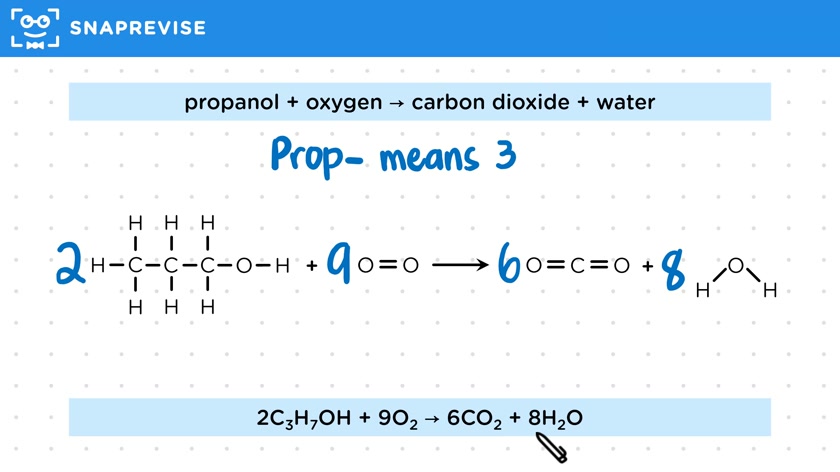
- Propanol combustion: 2 C3H7OH + 9 O2 ��� 6 CO2 + 8 H2O.
- Butanol combustion: C4H9OH + 6 O2 ��� 4 CO2 + 5 H2O.
- Alcohols react with sodium to produce hydrogen gas.
- Example: Methanol + sodium ��� sodium methoxide + hydrogen.
- Alcohols can be oxidized to form carboxylic acids using an oxidizing agent.
- Example: Ethanol + oxidizing agent ��� ethanoic acid + water.
- Alcohols are relatively soluble in water, especially short-chain alcohols.
- Methanol is the most soluble, and butanol is the least soluble among the four alcohols.
- Alcohol-water solutions have a neutral pH.
- The OH group in alcohols does not behave like hydroxide ions in alkalis.
- Alcohol OH groups remain attached when dissolved, unlike OH ions in alkalis.
Please subscribe to access these revision notes.
This, and all other video notes, are included in our premium subscriptions.
Premium accounts get access to all videos and revision notes.
83
questions for Organic chemistry
33
questions for Reactions of alkenes and alcohols (chemistry only)