
GCSE Combined Science (AQA)
622 videos | 38 hours
Please subscribe to watch this video.
This, and all other videos, are included in our premium subscriptions.
Premium accounts get access to all videos.
Enable autoplay to keep watching
Your browser is blocking videos from playing automatically. To turn it back on:
Safari (Mac): Click the Safari menu item in the top bar, then Settings → Websites → Auto-Play, then set Auto-Play to Allow All Auto-Play for the current website.
Safari (iPhone/iPad): open the Settings app, then Apps → Safari → Auto-Play, and select Allow All Auto-Play.
Abiotic - Light & Temperature
- Light intensity is an important abiotic factor.
- Light intensity is a physical abiotic factor relevant for exams.
- It is necessary to explain how abiotic factors like light intensity affect communities.
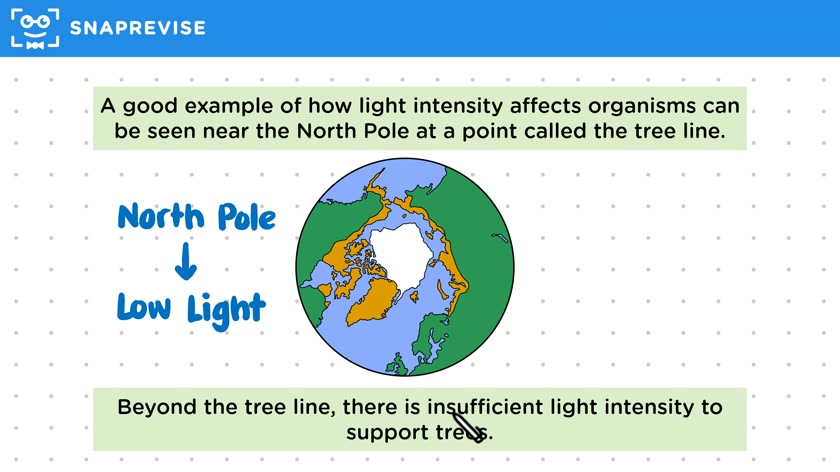
- An example of light intensity's effect is observed near the North Pole at the tree line.
- The North Pole receives relatively low amounts of sunlight due to the Earth's angle.
- Beyond the tree line, light intensity is too low to support tree growth.
- Temperature is another significant abiotic factor.
- Temperature is a physical factor with a wide range of values globally.
- Certain plants and animals cannot survive outside specific temperature ranges.
- For instance, orchids cannot survive outdoors in the UK due to low temperatures.
Please subscribe to access these revision notes.
This, and all other video notes, are included in our premium subscriptions.
Premium accounts get access to all videos and revision notes.
796
questions for Biology subject content
90
questions for Ecology