
GCSE Combined Science (AQA)
622 videos | 38 hours
Please subscribe to watch this video.
This, and all other videos, are included in our premium subscriptions.
Premium accounts get access to all videos.
Enable autoplay to keep watching
Your browser is blocking videos from playing automatically. To turn it back on:
Safari (Mac): Click the Safari menu item in the top bar, then Settings → Websites → Auto-Play, then set Auto-Play to Allow All Auto-Play for the current website.
Safari (iPhone/iPad): open the Settings app, then Apps → Safari → Auto-Play, and select Allow All Auto-Play.
Anatomy of the Menstrual Cycle
- The menstrual cycle is a hormonal process that occurs every 28 days.
- It takes place in the female reproductive system.
- The term "female" in this context refers to biological sex, not gender identity.
- Gender identity is personal and not determined by body parts.
- In academic contexts, biological sex is used, not gender.
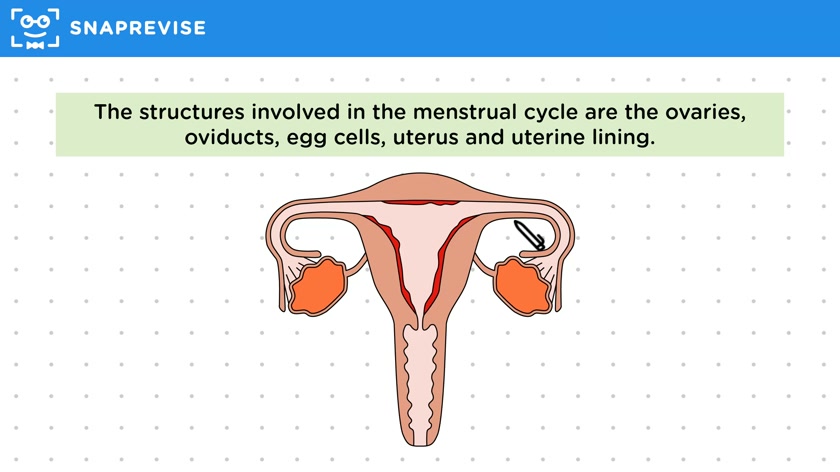
- The diagram illustrates the female reproductive system.
- Key structures in the menstrual cycle include the ovaries, fallopian tubes, uterus, and uterine lining.
- Understanding the involvement of these structures in the menstrual cycle is necessary, though memorization of the diagram is not required.
- Ovaries contain egg cells, referred to as eggs or egg cells in exams.
- The fallopian tubes are also known as ucts.
- The uterus is central in the reproductive system, surrounded by the uterine lining which changes thickness during the cycle.
- Exam focus is on the function of these structures in the menstrual cycle, not their detailed description.
Please subscribe to access these revision notes.
This, and all other video notes, are included in our premium subscriptions.
Premium accounts get access to all videos and revision notes.
95
questions for Homeostasis and Response
72
questions for Hormonal Coordination in Humans