
GCSE Combined Science (AQA)
622 videos | 38 hours
Please subscribe to watch this video.
This, and all other videos, are included in our premium subscriptions.
Premium accounts get access to all videos.
Enable autoplay to keep watching
Your browser is blocking videos from playing automatically. To turn it back on:
Safari (Mac): Click the Safari menu item in the top bar, then Settings → Websites → Auto-Play, then set Auto-Play to Allow All Auto-Play for the current website.
Safari (iPhone/iPad): open the Settings app, then Apps → Safari → Auto-Play, and select Allow All Auto-Play.
Changes in State
- Substances change state when heated or cooled.
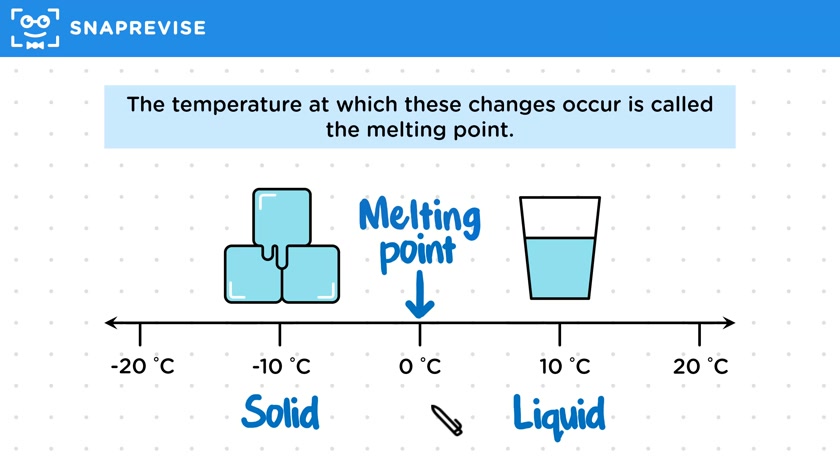
- Heating ice turns it from solid to liquid (melting).
- Cooling water turns it from liquid to solid (freezing).
- Melting involves adding energy to change particle arrangement.
- Freezing involves removing energy to change particle arrangement.
- Melting point is the temperature where solid becomes liquid.
- Water's melting/freezing point is 0 degrees Celsius.
- Boiling involves heating liquid to become gas.
- Condensing involves cooling gas to become liquid.
- Boiling point is the temperature where liquid becomes gas.
- Water's boiling point is 100 degrees Celsius.
- Predicting states of substances involves knowing melting and boiling points.
- Gold's melting point is 1064 degrees Celsius; boiling point is 3080 degrees Celsius.
- Below melting point, gold is solid; above boiling point, gold is gas; in between, gold is liquid.
Please subscribe to access these revision notes.
This, and all other video notes, are included in our premium subscriptions.
Premium accounts get access to all videos and revision notes.
28
questions for Bonding, structure, and the properties of matter
11
questions for How bonding and structure are related to the properties of substances