
GCSE Combined Science (AQA)
622 videos | 38 hours
Please subscribe to watch this video.
This, and all other videos, are included in our premium subscriptions.
Premium accounts get access to all videos.
Enable autoplay to keep watching
Your browser is blocking videos from playing automatically. To turn it back on:
Safari (Mac): Click the Safari menu item in the top bar, then Settings → Websites → Auto-Play, then set Auto-Play to Allow All Auto-Play for the current website.
Safari (iPhone/iPad): open the Settings app, then Apps → Safari → Auto-Play, and select Allow All Auto-Play.
Crude Oil Fractions and Uses
- Modern life heavily relies on hydrocarbons.
- Hydrocarbons are crucial for producing fuels used in energy and transport.
- They are essential in the petrochemical industry, especially for producing plastics.
- Fuels from crude oil, such as petrol and diesel, power most cars.
- Electric cars exist, but the transition from hydrocarbon engines will take time.
- Kerosene, a hydrocarbon fuel, is used in camping lamps and other equipment.
- Large ships use heavy fuel oil, another hydrocarbon fuel.
- Liquified petroleum gases (LPG) are used in some vehicles and rural areas for cooking and heating.
- Fuels contain mixtures of hydrocarbons obtained by fractional distillation.
- Fractional distillation separates hydrocarbons in crude oil based on boiling points.
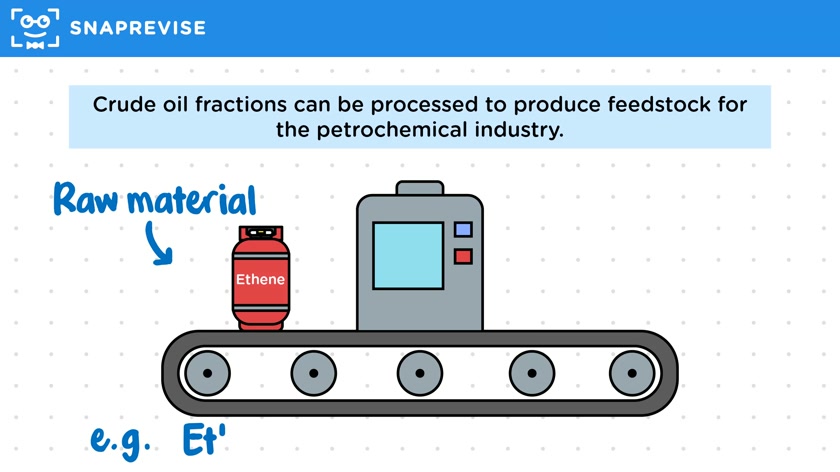
- Crude oil fractions are processed to produce feedstock for the petrochemical industry.
- Feedstock from fractional distillation is used to produce petrochemical products like plastics.
- Ethene feedstock can produce polythene, used for plastic bags and packaging.
- The petrochemical industry produces many materials essential for modern life.
- Hydrocarbons are used to make polymers, solvents, lubricants, and detergents.
- A vast array of natural and synthetic carbon compounds can be made from hydrocarbons.
- Carbon atoms can form families of similar compounds due to their ability to form up to four bonds.
- Carbon can bond with various atoms, form different types of bonds, and create chains or ring structures.
- The properties of carbon allow it to form a wide variety of compounds.
Please subscribe to access these revision notes.
This, and all other video notes, are included in our premium subscriptions.
Premium accounts get access to all videos and revision notes.
18
questions for Ecology
3
questions for Adaptations, Interdependence and Competition