
GCSE Combined Science (AQA)
622 videos | 38 hours
Please subscribe to watch this video.
This, and all other videos, are included in our premium subscriptions.
Premium accounts get access to all videos.
Enable autoplay to keep watching
Your browser is blocking videos from playing automatically. To turn it back on:
Safari (Mac): Click the Safari menu item in the top bar, then Settings → Websites → Auto-Play, then set Auto-Play to Allow All Auto-Play for the current website.
Safari (iPhone/iPad): open the Settings app, then Apps → Safari → Auto-Play, and select Allow All Auto-Play.
Electrical Power
- Power output of an electrical component depends on current and potential difference.
- Power is the rate of energy conversion from charge carriers into other forms.
- Power is determined by energy given by a charge carrier and frequency of passage through the component.
- Power equation: P = I x V (Power = Current x Potential Difference).
- Current is measured in amps, potential difference in volts, and power in watts.
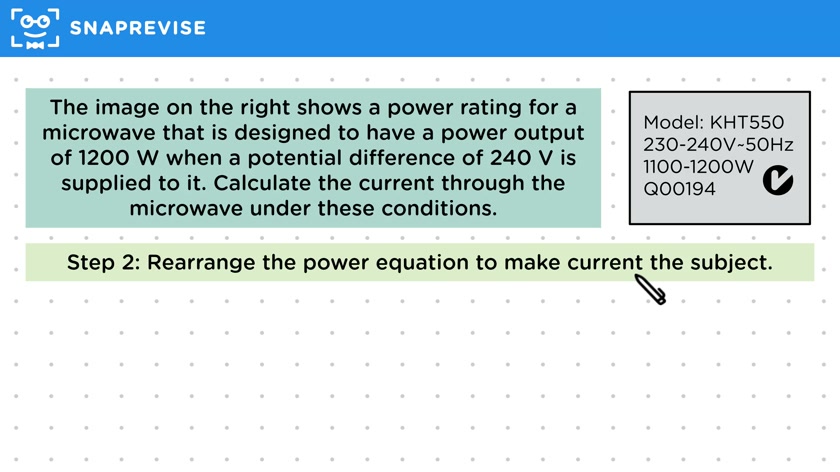
- Example: Microwave with power output of 1200 watts and potential difference of 240 volts; calculate current.
- Power ratings indicate safe range of potential difference and power for components.
- To calculate current: Rearrange power equation to I = P / V.
- Substitute values: Current = 1200 watts / 240 volts = 5 amps.
- Increase power output by increasing current or potential difference.
- Example: Increase bulb brightness by adding a cell or removing a resistor.
- Adding a cell increases potential difference; removing a resistor decreases resistance and increases current.
- Use resistors to prevent current from becoming too high.
- Power increases with increased potential difference and current.
- For exams, explain how changing potential difference, current, or resistance affects power.
Please subscribe to access these revision notes.
This, and all other video notes, are included in our premium subscriptions.
Premium accounts get access to all videos and revision notes.
125
questions for Electricity
28
questions for Energy transfers