
GCSE Combined Science (AQA)
622 videos | 38 hours
Please subscribe to watch this video.
This, and all other videos, are included in our premium subscriptions.
Premium accounts get access to all videos.
Enable autoplay to keep watching
Your browser is blocking videos from playing automatically. To turn it back on:
Safari (Mac): Click the Safari menu item in the top bar, then Settings → Websites → Auto-Play, then set Auto-Play to Allow All Auto-Play for the current website.
Safari (iPhone/iPad): open the Settings app, then Apps → Safari → Auto-Play, and select Allow All Auto-Play.
Embryo Screening
- People with a family history of genetic disorders are offered embryo screening.
- Embryo screening involves testing cells from fertilized embryos for genetic disorders, such as cystic fibrosis.
- The process allows parents to make informed decisions about continuing or terminating a pregnancy.
- Embryo screening process:
- Eggs are collected from the ovaries using a specialized syringe.
- Eggs are then fertilized with sperm in a laboratory.
- Embryonic cells are tested for genetic disorders.
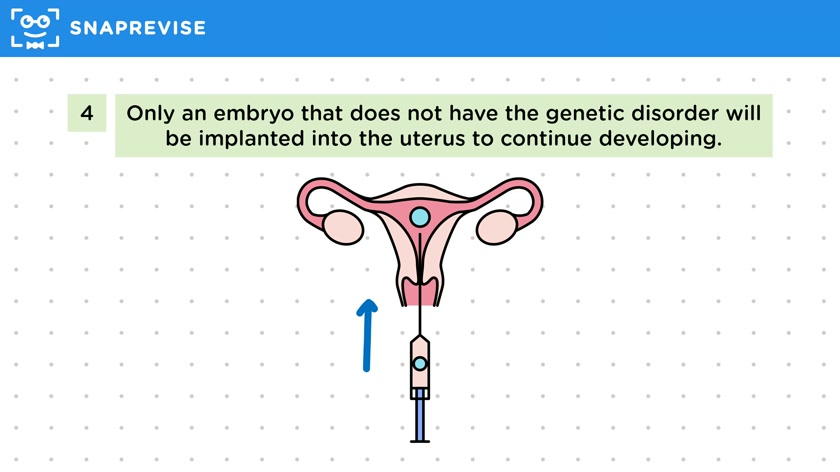
- Only embryos without genetic disorders are implanted into the uterus.
- Some embryos are discarded during the process.
- Economic, social, and ethical issues of embryo screening:
- Embryo screening is expensive.
- Some view it as unethical or against their religious beliefs.
- Ethical concerns include whether embryos should have rights and the potential harm to embryos during screening.
- Discarded embryos could be used for medical research and providing stem cells.
- Some argue that preventing human suffering should take priority, helping to have children with a lower risk of genetic disorders.
- Embryo screening can prevent the transmission of genetic disorders like cystic fibrosis to future generations.
Please subscribe to access these revision notes.
This, and all other video notes, are included in our premium subscriptions.
Premium accounts get access to all videos and revision notes.
81
questions for Inheritance, Variation and Evolution
16
questions for Reproduction