
GCSE Combined Science (AQA)
622 videos | 38 hours
Please subscribe to watch this video.
This, and all other videos, are included in our premium subscriptions.
Premium accounts get access to all videos.
Enable autoplay to keep watching
Your browser is blocking videos from playing automatically. To turn it back on:
Safari (Mac): Click the Safari menu item in the top bar, then Settings → Websites → Auto-Play, then set Auto-Play to Allow All Auto-Play for the current website.
Safari (iPhone/iPad): open the Settings app, then Apps → Safari → Auto-Play, and select Allow All Auto-Play.
Faulty Heart Valves
- Heart valves can become faulty, affecting their function.
- A healthy valve prevents blood from flowing backwards, ensuring one-way flow.
- Faulty valves may not open fully or may leak, reducing blood flow efficiency.
- Faulty valves can restrict blood flow or cause backflow.
- The heart has four valves, any of which can be faulty.
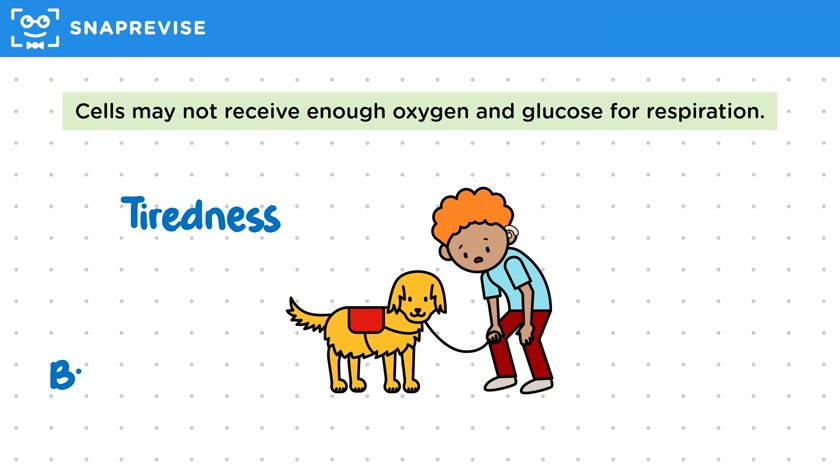
- Faulty valves can lead to insufficient oxygen and glucose delivery to cells.
- Symptoms of faulty valves include tiredness, breathlessness, weakness, and chest pain.
- Faulty heart valves can be replaced with biological or mechanical valves.
- Biological replacement valves can be made from pig, cow tissue, or donated human tissue.
- Mechanical valves are made from materials like plastic or metal.
- Advantages of valve replacement include restored blood flow and lower risk of complications compared to heart transplants.
- Risks of valve replacement include potential wear of biological valves, blood clots around mechanical valves, bleeding, infection, and the need for anti-blood clotting medication.
Please subscribe to access these revision notes.
This, and all other video notes, are included in our premium subscriptions.
Premium accounts get access to all videos and revision notes.
55
questions for Organisation
47
questions for Animal Tissues, Organs and Organ Systems