
GCSE Combined Science (AQA)
622 videos | 38 hours
Please subscribe to watch this video.
This, and all other videos, are included in our premium subscriptions.
Premium accounts get access to all videos.
Enable autoplay to keep watching
Your browser is blocking videos from playing automatically. To turn it back on:
Safari (Mac): Click the Safari menu item in the top bar, then Settings → Websites → Auto-Play, then set Auto-Play to Allow All Auto-Play for the current website.
Safari (iPhone/iPad): open the Settings app, then Apps → Safari → Auto-Play, and select Allow All Auto-Play.
Fossil Fuels
- Fossil fuels are formed from biological material compressed in the earth for millions of years.
- They include oil, coal, and natural gas.
- Fossil fuels contain large amounts of chemical energy from the remains of living organisms.
- This energy is released by burning the fuel in fossil fuel burning plants.
- The chemical energy is converted into thermal energy, which heats water to create steam.
- The steam's kinetic energy spins a turbine, generating electrical energy.
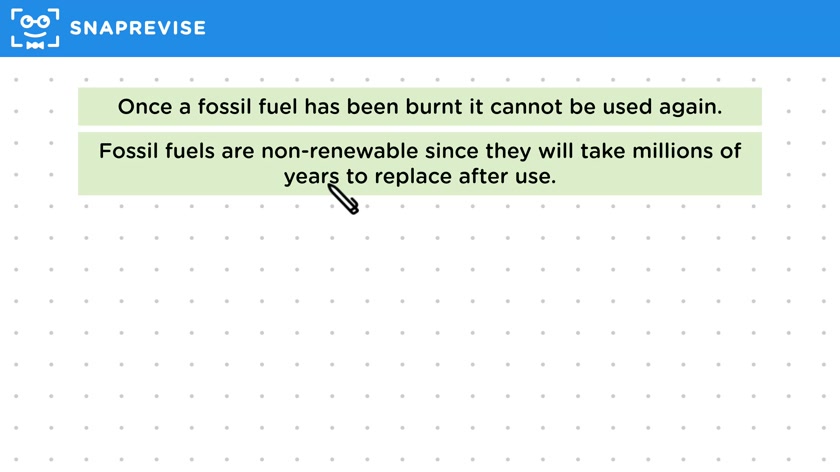
- Fossil fuels are non-renewable and take millions of years to replace.
- Stores of fossil fuels are used up quickly and cannot be replaced in a short time.
- Advantages of fossil fuels: available at any time, not weather-dependent, release large amounts of energy.
- Disadvantages: non-renewable, limited supply, release greenhouse gases contributing to global warming.
- Understanding the energy changes in fossil fuels helps in describing their advantages and disadvantages.
- For exams, students should be able to recall and explain the advantages and disadvantages of fossil fuels.
Please subscribe to access these revision notes.
This, and all other video notes, are included in our premium subscriptions.
Premium accounts get access to all videos and revision notes.
88
questions for Energy
41
questions for National and global energy resources