
GCSE Combined Science (AQA)
622 videos | 38 hours
Please subscribe to watch this video.
This, and all other videos, are included in our premium subscriptions.
Premium accounts get access to all videos.
Enable autoplay to keep watching
Your browser is blocking videos from playing automatically. To turn it back on:
Safari (Mac): Click the Safari menu item in the top bar, then Settings → Websites → Auto-Play, then set Auto-Play to Allow All Auto-Play for the current website.
Safari (iPhone/iPad): open the Settings app, then Apps → Safari → Auto-Play, and select Allow All Auto-Play.
Genetic Engineering
- Genetic engineering involves modifying an organism's genome by introducing a gene from another organism to achieve a desired characteristic.
- Example given: creating insect-resistant maize by introducing a gene from a soil bacterium that produces a natural insecticide.
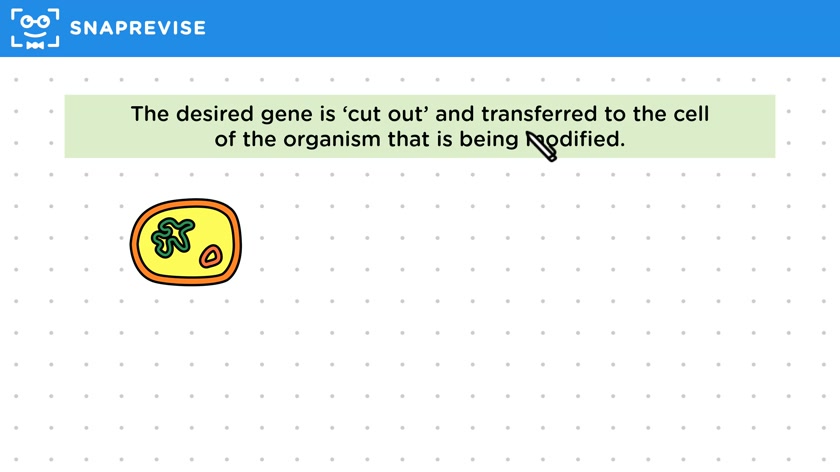
- The process involves cutting out the desired gene from the donor organism (e.g., soil bacterium) and transferring it to the recipient organism's cell (e.g., maize).
- The modified cell is then used to grow a new plant, resulting in a genetically engineered variety with specific traits, such as insect resistance.
- Genetic engineering can also be used to produce larger and better-quality fruits.
- The key concept is that genes are extracted from one organism and inserted into another to impart desired traits.
Please subscribe to access these revision notes.
This, and all other video notes, are included in our premium subscriptions.
Premium accounts get access to all videos and revision notes.
81
questions for Inheritance, Variation and Evolution
40
questions for Variation and Evolution