
GCSE Combined Science (AQA)
622 videos | 38 hours
Please subscribe to watch this video.
This, and all other videos, are included in our premium subscriptions.
Premium accounts get access to all videos.
Enable autoplay to keep watching
Your browser is blocking videos from playing automatically. To turn it back on:
Safari (Mac): Click the Safari menu item in the top bar, then Settings → Websites → Auto-Play, then set Auto-Play to Allow All Auto-Play for the current website.
Safari (iPhone/iPad): open the Settings app, then Apps → Safari → Auto-Play, and select Allow All Auto-Play.
Heating & Temperature
- Heat supplied to a system increases the kinetic energy of particles.
- Particles can be modeled as moving and vibrating balls of matter.
- Kinetic energy gives particles motion.
- Heat is supplied through heat flow, resistance, and work done.
- Increased heat flow raises the kinetic energy of the system.
- Temperature measures the average kinetic energy of particles.
- Higher temperature indicates more kinetic energy in particles.
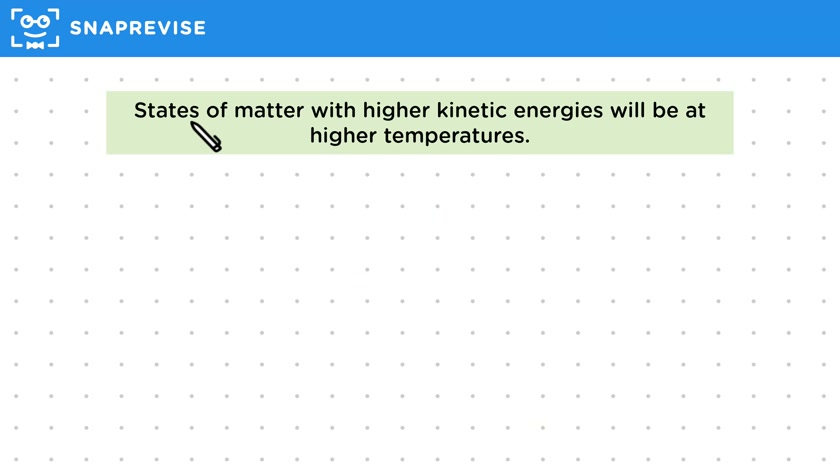
- States of matter with higher kinetic energies have higher temperatures.
- Solids have low kinetic energy; molecules vibrate around fixed positions.
- Liquids have medium kinetic energy; molecules can move and flow.
- Gases have high kinetic energy; molecules move fast and randomly.
- Increasing kinetic energy leads to changes of state: solid to liquid (melting point), liquid to gas (boiling point).
- Understanding the relationship between temperature and energy is important for exams.
Please subscribe to access these revision notes.
This, and all other video notes, are included in our premium subscriptions.
Premium accounts get access to all videos and revision notes.
89
questions for Particle model of matter
44
questions for Internal energy and energy transfers