
GCSE Combined Science (AQA)
622 videos | 38 hours
Please subscribe to watch this video.
This, and all other videos, are included in our premium subscriptions.
Premium accounts get access to all videos.
Enable autoplay to keep watching
Your browser is blocking videos from playing automatically. To turn it back on:
Safari (Mac): Click the Safari menu item in the top bar, then Settings → Websites → Auto-Play, then set Auto-Play to Allow All Auto-Play for the current website.
Safari (iPhone/iPad): open the Settings app, then Apps → Safari → Auto-Play, and select Allow All Auto-Play.
Ions
- An ion is an atom or molecule with a positive or negative charge.
- Examples of ions include sodium ion, copper ion, and chloride ion.
- Ions can also be compounds, such as hydroxide ion and sulfate ion.
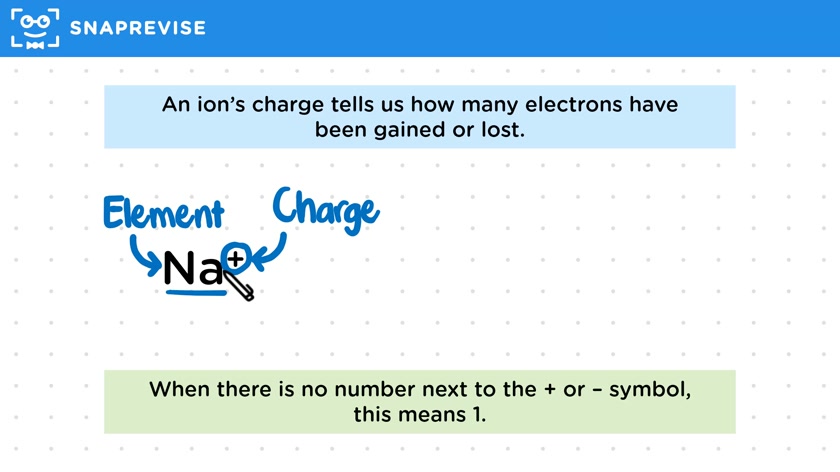
- Ions are represented using chemical symbols with plus and minus signs.
- Ions are formed when atoms lose or gain electrons.
- Losing electrons makes an atom positively charged; gaining electrons makes it negatively charged.
- A sodium atom loses an electron to become a positively charged sodium ion (Na+).
- A chlorine atom gains an electron to become a negatively charged chloride ion (Cl-).
- The charge of an ion indicates how many electrons have been gained or lost.
- A sodium ion with a plus one charge has lost one electron.
- A chloride ion with a minus one charge has gained one electron.
- A sulfate ion with a two minus charge has gained two electrons.
- An ion has the same number of protons and neutrons as its atom but a different number of electrons.
- The periodic table can be used to determine the number of protons, neutrons, and electrons in an atom and its ion.
- Positive ions have fewer electrons than protons; negative ions have more electrons than protons.
- Metals form positive ions by losing electrons and are found on the left side of the periodic table.
- Non-metals usually form negative ions by gaining electrons and are found on the right side of the periodic table.
Please subscribe to access these revision notes.
This, and all other video notes, are included in our premium subscriptions.
Premium accounts get access to all videos and revision notes.
57
questions for Atomic structure and the periodic table
5
questions for The periodic table