
GCSE Combined Science (AQA)
622 videos | 38 hours
Please subscribe to watch this video.
This, and all other videos, are included in our premium subscriptions.
Premium accounts get access to all videos.
Enable autoplay to keep watching
Your browser is blocking videos from playing automatically. To turn it back on:
Safari (Mac): Click the Safari menu item in the top bar, then Settings → Websites → Auto-Play, then set Auto-Play to Allow All Auto-Play for the current website.
Safari (iPhone/iPad): open the Settings app, then Apps → Safari → Auto-Play, and select Allow All Auto-Play.
Limitations of Covalent Bonding Models
- Various methods exist to represent simple molecules and giant covalent structures.
- 2D diagrams use letters and lines to represent atoms and bonds.
- 3D ball and stick models and dot and cross diagrams show electrons in circular shells.
- Dot and cross diagrams help visualize the origin of bonding electrons.
- Dot and cross diagrams show the ratio and identity of atoms in a compound.
- Limitation: Dot and cross diagrams do not show the 3D arrangement of atoms.
- Limitation: Dot and cross diagrams do not accurately reflect the real size of atoms.
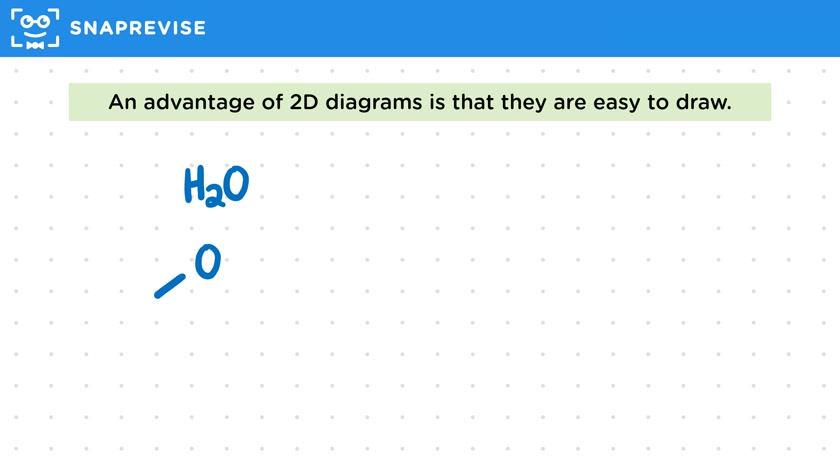
- 2D diagrams are easy to draw and show how atoms are bonded.
- Limitation: 2D diagrams do not show the 3D arrangement of atoms.
- 3D ball and stick models and diagrams show the spatial arrangement of atoms.
- Limitation: 3D models do not show electrons involved in bonding.
- Limitation: Sticks in 3D models do not accurately represent bonds.
- Limitation: Atoms in 3D models are placed too far apart, not reflecting true distances.
Please subscribe to access these revision notes.
This, and all other video notes, are included in our premium subscriptions.
Premium accounts get access to all videos and revision notes.
28
questions for Bonding, structure, and the properties of matter
13
questions for Chemical bonds, ionic, covalent and metallic