
GCSE Combined Science (AQA)
622 videos | 38 hours
Please subscribe to watch this video.
This, and all other videos, are included in our premium subscriptions.
Premium accounts get access to all videos.
Enable autoplay to keep watching
Your browser is blocking videos from playing automatically. To turn it back on:
Safari (Mac): Click the Safari menu item in the top bar, then Settings → Websites → Auto-Play, then set Auto-Play to Allow All Auto-Play for the current website.
Safari (iPhone/iPad): open the Settings app, then Apps → Safari → Auto-Play, and select Allow All Auto-Play.
Magnetic Flux Density
- Magnetic flux density measures the strength of a magnetic field.
- Field strength can be judged by the field pattern; more field lines indicate a stronger field.
- High magnetic flux density corresponds to strong fields, low density to weaker fields.
- Magnetic flux density provides a numeric value for field strength, useful for calculating magnetic forces.
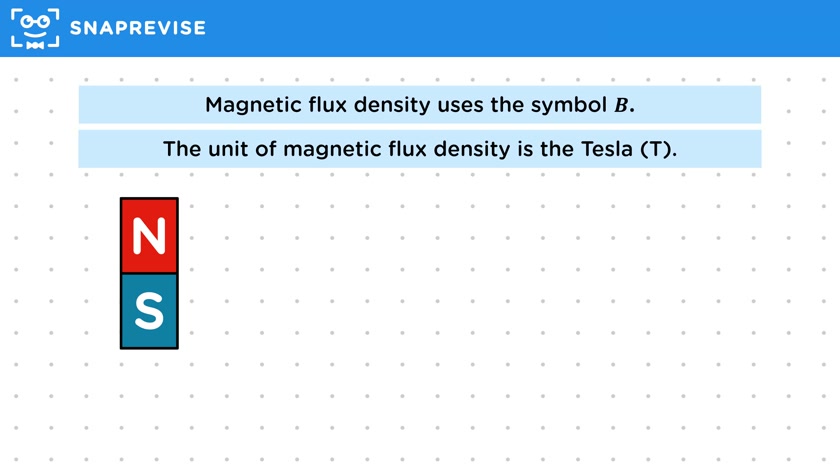
- Symbol for magnetic flux density: B.
- Unit for magnetic flux density: Tesla (T).
- Example: Near a bar magnet's pole, flux density is approximately 10^-3 Teslas.
- Earth's weakest field at the equator has a flux of around 10^-5 Teslas.
- A bar magnet's field can override Earth's field, affecting compass direction.
- Human brain's magnetic field is very weak, around 10^-12 Teslas.
- Understanding expected values for flux densities helps differentiate weak and strong fields.
Please subscribe to access these revision notes.
This, and all other video notes, are included in our premium subscriptions.
Premium accounts get access to all videos and revision notes.
54
questions for Magnetism and electromagnetism
34
questions for The motor effect