
GCSE Combined Science (AQA)
622 videos | 38 hours
Please subscribe to watch this video.
This, and all other videos, are included in our premium subscriptions.
Premium accounts get access to all videos.
Enable autoplay to keep watching
Your browser is blocking videos from playing automatically. To turn it back on:
Safari (Mac): Click the Safari menu item in the top bar, then Settings → Websites → Auto-Play, then set Auto-Play to Allow All Auto-Play for the current website.
Safari (iPhone/iPad): open the Settings app, then Apps → Safari → Auto-Play, and select Allow All Auto-Play.
Magnetic Forces
- Magnets are commonly found in devices like phones, fridges, and headphones.
- Phones use magnets to convert voices into electrical signals.
- Fridge magnets stick to metal surfaces.
- Headphones use magnets to move speakers and create sound waves.
- Magnetic forces are non-contact forces, acting between separated objects.
- Example: A magnet can attract a metal paperclip without touching it.
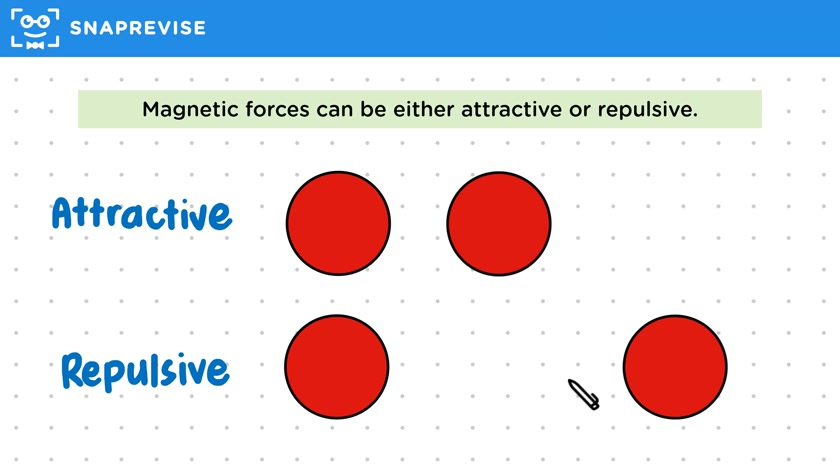
- Magnetic forces can be attractive or repulsive.
- Only certain materials, called magnetic materials, are affected by magnetic forces.
- Iron is an example of a magnetic material and is attracted to magnets.
- Gold is not a magnetic material and is not affected by magnets.
- The three magnetic elements are iron, cobalt, and nickel.
- Alloys containing these elements can also be magnetic.
- Steel, an alloy containing iron, is a magnetic material.
- Understanding alloys is more related to chemistry, but knowing when an alloy is magnetic is important in physics.
Please subscribe to access these revision notes.
This, and all other video notes, are included in our premium subscriptions.
Premium accounts get access to all videos and revision notes.
18
questions for Ecology
3
questions for Adaptations, Interdependence and Competition