
GCSE Combined Science (AQA)
622 videos | 38 hours
Please subscribe to watch this video.
This, and all other videos, are included in our premium subscriptions.
Premium accounts get access to all videos.
Enable autoplay to keep watching
Your browser is blocking videos from playing automatically. To turn it back on:
Safari (Mac): Click the Safari menu item in the top bar, then Settings → Websites → Auto-Play, then set Auto-Play to Allow All Auto-Play for the current website.
Safari (iPhone/iPad): open the Settings app, then Apps → Safari → Auto-Play, and select Allow All Auto-Play.
Meristem Cells
- The cells in the Meira stem implants are stem cells.
- The ME stem is located in the tips of the roots and shoots of plants.
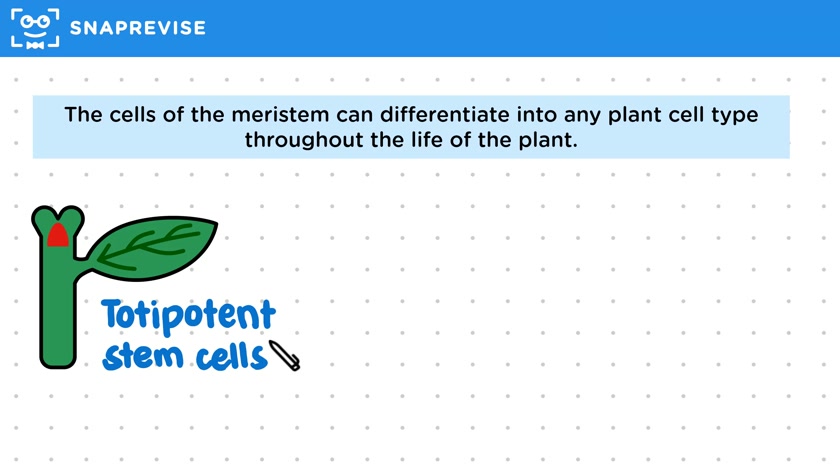
- Diagrams show the ME stem cells located in red patches on both the root and shoot.
- These areas represent sites of rapid cell division in the plant.
- For exams, it's important to know that plant stem cells are located in the MES stem tissue.
- MES stem cells can differentiate into any plant cell type throughout the plant's life.
- MES stem cells are totipotent, similar to very early embryonic stem cells in animals.
- The term "totipotent" is not necessary for exams but helps distinguish these cells from other stem cells.
- Unlike adult humans, plants retain stem cells capable of differentiating into any cell type for their entire life.
- These stem cells become specialized cells as needed, such as palisade cells, guard cells, and root hair cells.
- Totipotent cells in the ME stem are crucial for new plant tissue growth and continuous growth throughout the plant's life.
- Plants can regrow tissues when damaged or cut, unlike humans.
- It's essential for exams to understand how ME stem tissue differs from human stem cells and to describe its functions.
Please subscribe to access these revision notes.
This, and all other video notes, are included in our premium subscriptions.
Premium accounts get access to all videos and revision notes.
135
questions for Cell Biology
54
questions for Cell Division