
GCSE Combined Science (AQA)
622 videos | 38 hours
Please subscribe to watch this video.
This, and all other videos, are included in our premium subscriptions.
Premium accounts get access to all videos.
Enable autoplay to keep watching
Your browser is blocking videos from playing automatically. To turn it back on:
Safari (Mac): Click the Safari menu item in the top bar, then Settings → Websites → Auto-Play, then set Auto-Play to Allow All Auto-Play for the current website.
Safari (iPhone/iPad): open the Settings app, then Apps → Safari → Auto-Play, and select Allow All Auto-Play.
Ohmic Conductors
- An Omic conductor has constant resistance at constant temperature.
- Resistance of a conductor increases with temperature.
- Fixed resistors are designed to have constant resistance.
- Wires are Omic conductors with small resistance, unchanged if not heated.
- Omic properties can be lost at extreme temperatures, not needed for GCSE.
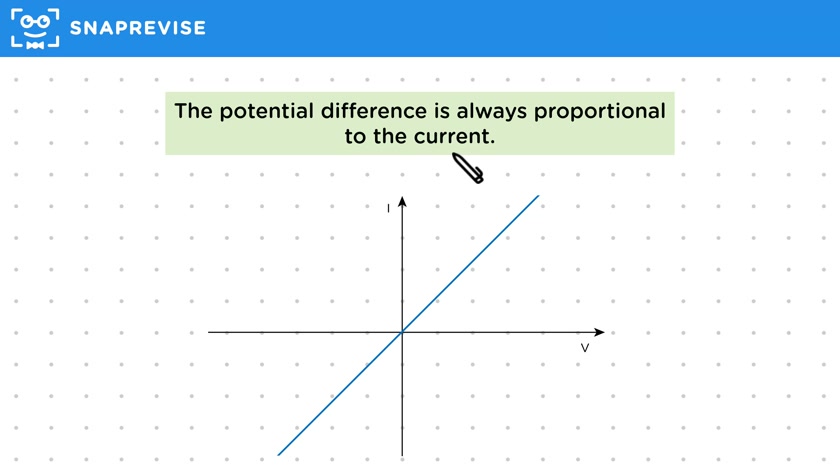
- IV graph for Omic conductor is a straight line through the origin.
- IV graphs show the relation between current and potential difference.
- Potential difference is proportional to current for Omic conductors.
- V = K, where K is a constant value, represents the relation.
- V/I = K, where K is the resistance of the component.
- R is constant for Omic conductors with a straight line IV graph.
- Steeper gradient of the graph indicates smaller resistance.
- Gradient is calculated by I/V, equal to 1/R.
- Higher resistance means smaller gradient.
- Steeper graph indicates smaller resistance, shallower graph indicates larger resistance.
Please subscribe to access these revision notes.
This, and all other video notes, are included in our premium subscriptions.
Premium accounts get access to all videos and revision notes.
125
questions for Electricity
48
questions for Current, potential difference and resistance