
GCSE Combined Science (AQA)
622 videos | 38 hours
Please subscribe to watch this video.
This, and all other videos, are included in our premium subscriptions.
Premium accounts get access to all videos.
Enable autoplay to keep watching
Your browser is blocking videos from playing automatically. To turn it back on:
Safari (Mac): Click the Safari menu item in the top bar, then Settings → Websites → Auto-Play, then set Auto-Play to Allow All Auto-Play for the current website.
Safari (iPhone/iPad): open the Settings app, then Apps → Safari → Auto-Play, and select Allow All Auto-Play.
Pollution
- Burning fossil fuels releases large amounts of carbon dioxide into the atmosphere.
- Energy from carbon bonds in fossil fuels reacts with oxygen, releasing carbon dioxide.
- Factory gas released from burning fuel cannot be disposed of or stored, unlike steam from cooling towers.
- CO2 is the chemical formula for carbon dioxide, contributing to global warming.
- Burning fossil fuels changes atmospheric structure, trapping heat and contributing to global warming.
- Scientists advocate for stopping fossil fuel use, but political and economic reasons prevent this.
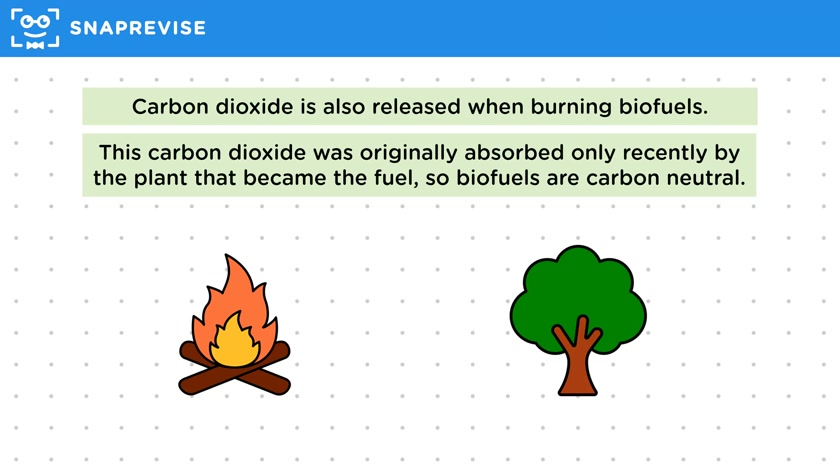
- Carbon dioxide is also released when burning biofuels, similar to fossil fuels.
- Biofuels are carbon neutral due to the carbon cycle; carbon absorbed by plants is released when burnt and reabsorbed by new plants.
- Fossil fuels release carbon stored for millions of years all at once.
- Burning coal releases sulfur dioxide due to sulfur content in coal.
- Sulfur can be removed from coal, but it is an expensive process.
- Sulfur dioxide reacts with water in clouds to form acid rain, which is harmful to plants and buildings.
- Understanding pollution details is not necessary for exams, but reasons for or against using certain fuels may be required.
Please subscribe to access these revision notes.
This, and all other video notes, are included in our premium subscriptions.
Premium accounts get access to all videos and revision notes.
88
questions for Energy
41
questions for National and global energy resources