
GCSE Combined Science (AQA)
622 videos | 38 hours
Please subscribe to watch this video.
This, and all other videos, are included in our premium subscriptions.
Premium accounts get access to all videos.
Enable autoplay to keep watching
Your browser is blocking videos from playing automatically. To turn it back on:
Safari (Mac): Click the Safari menu item in the top bar, then Settings → Websites → Auto-Play, then set Auto-Play to Allow All Auto-Play for the current website.
Safari (iPhone/iPad): open the Settings app, then Apps → Safari → Auto-Play, and select Allow All Auto-Play.
Principles of Sampling Data
- Scientists study disease incidents using samples from medical records and research.
- A sample is a smaller, manageable version of a larger group, representing a whole population.
- Samples are used because it's impractical to study the entire human population.
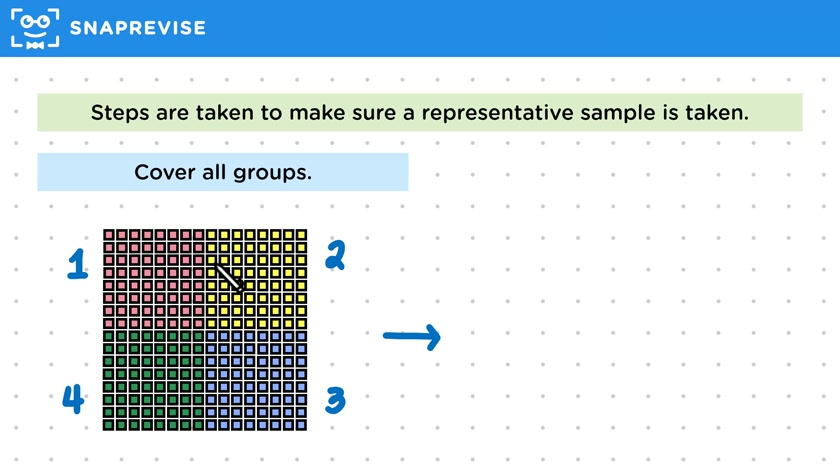
- It's crucial for samples to be representative and unbiased towards any group.
- A bad sample is biased and may ignore certain groups within the population.
- To avoid bias, samples must include all groups within the population.
- Random sampling ensures each population member has an equal chance of selection, avoiding bias.
- Random numbers for sampling can be generated using tools like calculators or computer programs.
- Studies using samples should consider population differences such as age, sex, and lifestyle, which can complicate research outcomes.
Please subscribe to access these revision notes.
This, and all other video notes, are included in our premium subscriptions.
Premium accounts get access to all videos and revision notes.
55
questions for Organisation
47
questions for Animal Tissues, Organs and Organ Systems