
GCSE Combined Science (AQA)
622 videos | 38 hours
Please subscribe to watch this video.
This, and all other videos, are included in our premium subscriptions.
Premium accounts get access to all videos.
Enable autoplay to keep watching
Your browser is blocking videos from playing automatically. To turn it back on:
Safari (Mac): Click the Safari menu item in the top bar, then Settings → Websites → Auto-Play, then set Auto-Play to Allow All Auto-Play for the current website.
Safari (iPhone/iPad): open the Settings app, then Apps → Safari → Auto-Play, and select Allow All Auto-Play.
Properties of High-Frequency EM Waves
- Different electromagnetic waves have properties suited for various applications.
- Ultraviolet (UV) light, x-rays, and gamma waves have specific properties that make them useful.
- Certain chemicals, like mercury, emit UV waves when heated.
- Mercury emits UV waves when a strong current is passed through it, causing energy release.
- Some chemicals, such as zinc sulfide, emit visible light after absorbing UV waves.
- This process is known as fluorescence and is used in energy-saving bulbs and glow sticks.
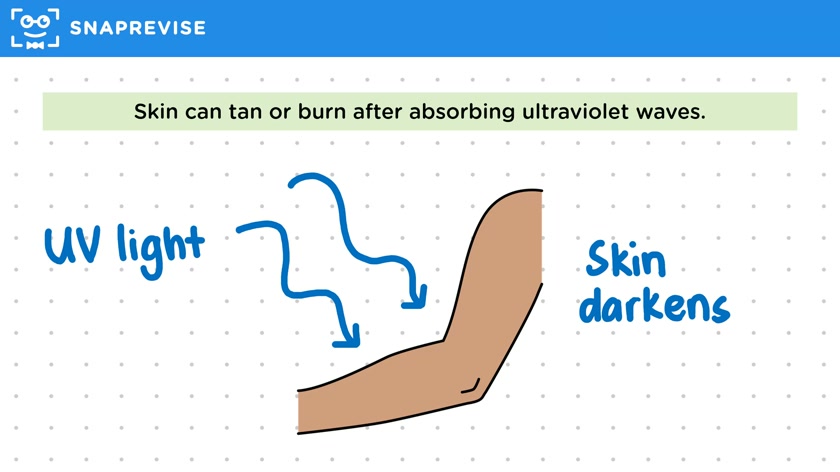
- UV waves can cause skin to tan or burn by reacting with chemicals in the skin.
- Excessive UV exposure can lead to burns or skin cancer.
- Gamma and x-rays can easily transmit through most body tissues.
- Gamma waves pass through tissue and bone, useful for tracers and radiotherapy.
- X-rays pass through tissue but are absorbed by bone, useful for x-ray scans.
- High-frequency electromagnetic waves can damage and kill cells, especially gamma waves.
- Gamma waves can cause irreversible damage to cells, leading to cell death.
- This property is utilized in radiotherapy to kill cancer cells and in sterilization to kill bacteria.
- Understanding these properties is important for exams and applications of these waves.
Please subscribe to access these revision notes.
This, and all other video notes, are included in our premium subscriptions.
Premium accounts get access to all videos and revision notes.
82
questions for Waves
44
questions for Electromagnetic waves