
GCSE Combined Science (AQA)
622 videos | 38 hours
Please subscribe to watch this video.
This, and all other videos, are included in our premium subscriptions.
Premium accounts get access to all videos.
Enable autoplay to keep watching
Your browser is blocking videos from playing automatically. To turn it back on:
Safari (Mac): Click the Safari menu item in the top bar, then Settings → Websites → Auto-Play, then set Auto-Play to Allow All Auto-Play for the current website.
Safari (iPhone/iPad): open the Settings app, then Apps → Safari → Auto-Play, and select Allow All Auto-Play.
Properties of Low-Frequency EM Waves
- Electromagnetic waves are used in various ways in everyday life.
- Low frequency electromagnetic waves include infrared (IR) waves, microwaves, and radio waves.
- These waves have long wavelengths and low frequencies, are not visible to the human eye, and pose no risk to health.
- Radio waves are good for sending signals as they can travel long distances through air and are not much affected by air.
- Radio waves are often used to send TV and radio signals from an antenna to homes and businesses.
- Radio waves can be reflected off the upper atmosphere to move around the earth.
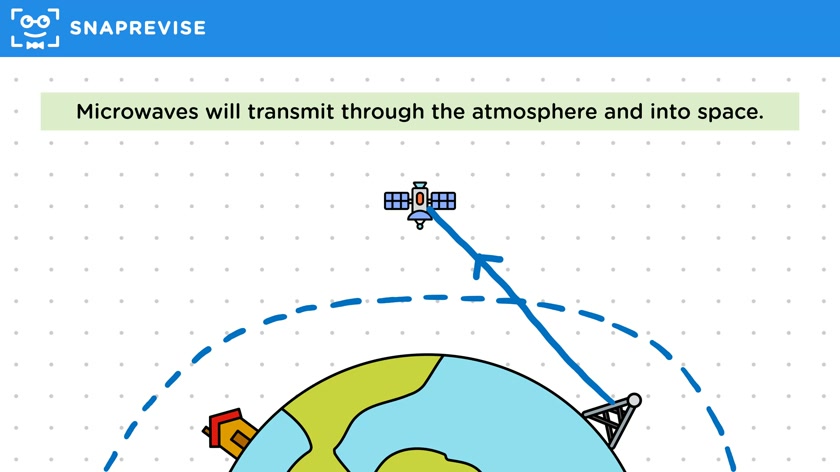
- Microwaves can transmit through the atmosphere and into space, making them suitable for satellite signals.
- Microwaves are absorbed by water molecules in food, making them useful for cooking in microwave ovens.
- Infrared light is absorbed by most chemical bonds, increasing internal energy and heating objects.
- Infrared waves are used for conventional ovens and electric heaters.
- Objects release thermal energy as infrared light, which can be detected to create thermal images.
- Ovens and heaters heat metals to release infrared waves.
- Understanding basic properties of electromagnetic waves helps in choosing the right type for specific applications.
Please subscribe to access these revision notes.
This, and all other video notes, are included in our premium subscriptions.
Premium accounts get access to all videos and revision notes.
82
questions for Waves
44
questions for Electromagnetic waves