
GCSE Combined Science (AQA)
622 videos | 38 hours
Please subscribe to watch this video.
This, and all other videos, are included in our premium subscriptions.
Premium accounts get access to all videos.
Enable autoplay to keep watching
Your browser is blocking videos from playing automatically. To turn it back on:
Safari (Mac): Click the Safari menu item in the top bar, then Settings → Websites → Auto-Play, then set Auto-Play to Allow All Auto-Play for the current website.
Safari (iPhone/iPad): open the Settings app, then Apps → Safari → Auto-Play, and select Allow All Auto-Play.
Forces
Forces and their interactions
Representing Vectors as Arrows
1:32
Introduction to Vectors and Forces
Spec
4.5.1.1
- Arrows can represent vector quantities.
- Vectors have both direction and magnitude.
- Examples of vectors include force, displacement, acceleration, and velocity.
- Velocity of a ball can be represented by a vector arrow.
- Arrows can represent any vector quantity, not just velocity.
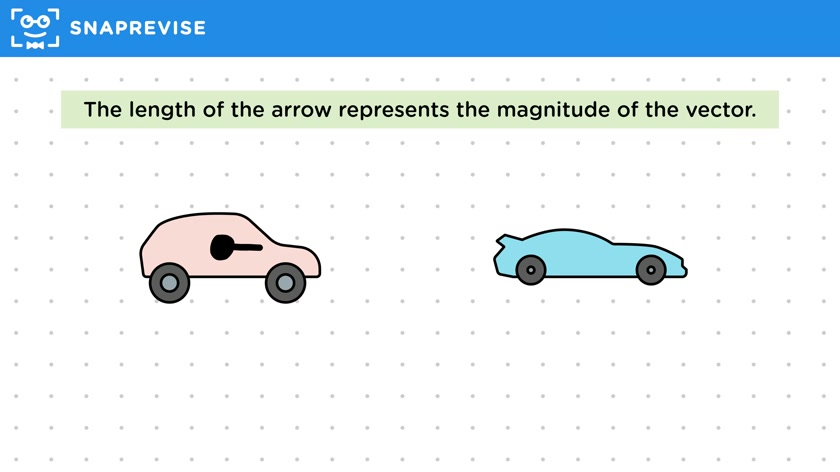
- The length of the arrow indicates the magnitude of the vector.
- Example: Two cars with different velocities are represented by arrows of different lengths.
- The direction of the arrow indicates the direction of the vector.
- Example: Two cars traveling in opposite directions are shown by arrows pointing in opposite directions.
- Understanding vector diagrams is crucial for exams, as misinterpretation is a common error.
Please subscribe to access these revision notes.
This, and all other video notes, are included in our premium subscriptions.
Premium accounts get access to all videos and revision notes.
Report an Issue
Spotted something wrong? Let us know and we'll take a look.