
GCSE Combined Science (AQA)
622 videos | 38 hours
Please subscribe to watch this video.
This, and all other videos, are included in our premium subscriptions.
Premium accounts get access to all videos.
Enable autoplay to keep watching
Your browser is blocking videos from playing automatically. To turn it back on:
Safari (Mac): Click the Safari menu item in the top bar, then Settings → Websites → Auto-Play, then set Auto-Play to Allow All Auto-Play for the current website.
Safari (iPhone/iPad): open the Settings app, then Apps → Safari → Auto-Play, and select Allow All Auto-Play.
Stem Cell Risks & Ethics
- Stem cells offer potential treatments for diabetes and paralysis.
- They could cure medical conditions, potentially leading to happier lives.
- Risks include viral transmission from donor to recipient.
- Stem cell research raises ethical issues, with varying opinions on its morality.
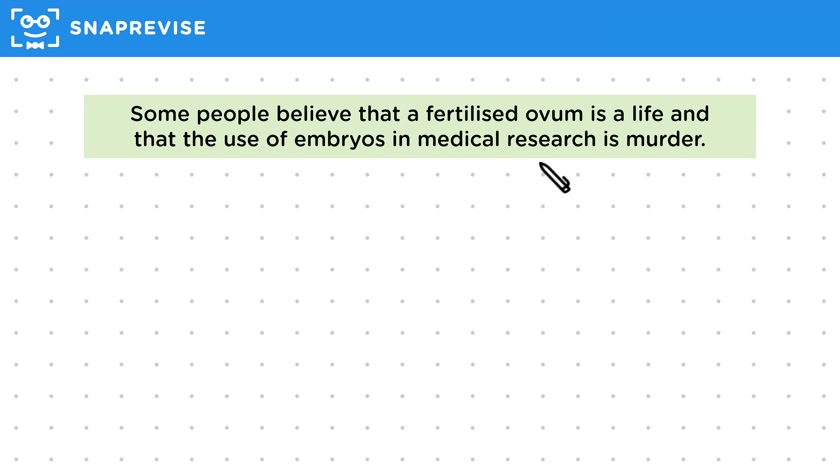
- Ethical concerns include religious objections and the belief that using embryos in research is equivalent to murder.
- Legal regulations surrounding stem cell research are strict and it is banned in some countries.
- Embryos used in research typically come from IVF, and unused embryos are usually discarded.
- Ethical debates include whether it is more ethical to use discarded embryos for research or to dispose of them.
- Questions arise about whether early embryos should have the same rights as mature humans.
- Opinions vary among religious groups about the morality of using embryos, with some prioritizing the potential to alleviate human suffering.
- Understanding the risks, benefits, and ethical issues of stem cell use is crucial for academic evaluation.
Please subscribe to access these revision notes.
This, and all other video notes, are included in our premium subscriptions.
Premium accounts get access to all videos and revision notes.
135
questions for Cell Biology
54
questions for Cell Division