
GCSE Combined Science (AQA)
622 videos | 38 hours
Please subscribe to watch this video.
This, and all other videos, are included in our premium subscriptions.
Premium accounts get access to all videos.
Enable autoplay to keep watching
Your browser is blocking videos from playing automatically. To turn it back on:
Safari (Mac): Click the Safari menu item in the top bar, then Settings → Websites → Auto-Play, then set Auto-Play to Allow All Auto-Play for the current website.
Safari (iPhone/iPad): open the Settings app, then Apps → Safari → Auto-Play, and select Allow All Auto-Play.
Stents & Statins
- Stents are used to keep coronary arteries open.
- Fatty material can accumulate and narrow arteries.
- A stent is a wire mesh inserted to expand the artery's lumen and improve blood flow.
- Stent insertion is a simple procedure where the patient can remain awake.
- The stent is inserted through a small cut into a blood vessel in the arm or leg.
- Advantages of stents include improved blood flow to the heart muscle.
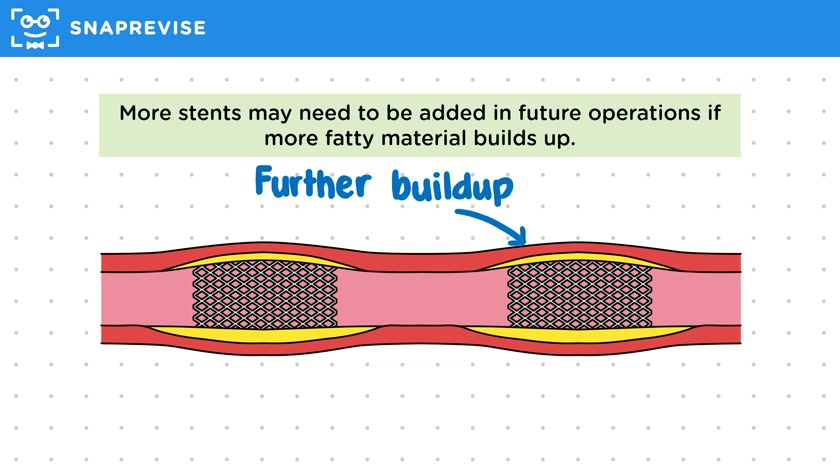
- Disadvantages include the potential need for additional stents if more fatty material builds up.
- Lifestyle changes are necessary to prevent further buildup, as stents do not address the underlying cause.
- Multiple operations to fit extra stents can be a disadvantage.
- Statins are drugs that help reduce cholesterol levels in the blood and are taken once a day.
- Statins slow the rate of fat buildup in the arteries.
- Advantages of statins include being cost-effective, reducing the risk of further heart disease, and decreasing bad cholesterol.
- Disadvantages of statins include the need for long-term use, potential side effects like headaches, and unsuitability for people with liver disease or those who are breastfeeding or pregnant.
Please subscribe to access these revision notes.
This, and all other video notes, are included in our premium subscriptions.
Premium accounts get access to all videos and revision notes.
55
questions for Organisation
47
questions for Animal Tissues, Organs and Organ Systems