
GCSE Combined Science (AQA)
622 videos | 38 hours
Please subscribe to watch this video.
This, and all other videos, are included in our premium subscriptions.
Premium accounts get access to all videos.
Enable autoplay to keep watching
Your browser is blocking videos from playing automatically. To turn it back on:
Safari (Mac): Click the Safari menu item in the top bar, then Settings → Websites → Auto-Play, then set Auto-Play to Allow All Auto-Play for the current website.
Safari (iPhone/iPad): open the Settings app, then Apps → Safari → Auto-Play, and select Allow All Auto-Play.
Temperature & Rate
- Increasing the temperature of a reaction increases the rate of reaction.
- A rate graph can show the difference in reaction rates at different temperatures.
- A steeper curve on the graph indicates a higher rate of reaction.
- At 20 degrees Celsius, the reaction rate is relatively low, resulting in a shallow curve.
- At 30 degrees Celsius, the reaction rate is higher, resulting in a steeper curve that flattens out more quickly.
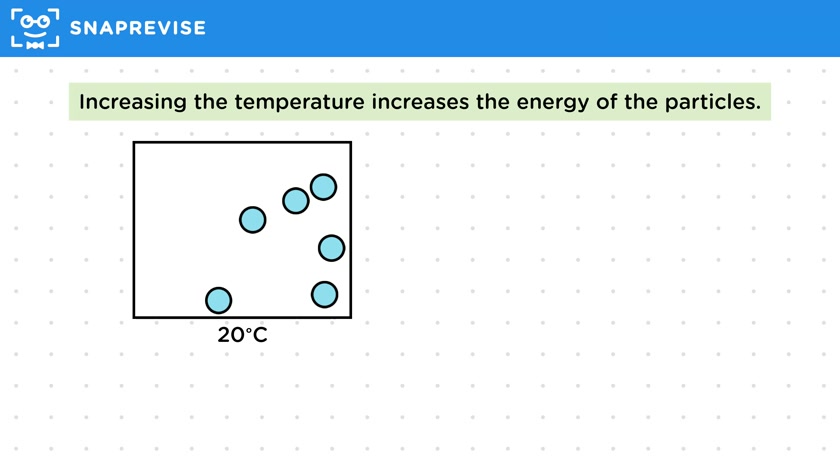
- Increasing temperature increases the kinetic energy of particles.
- Higher kinetic energy causes particles to move faster and collide more frequently.
- More frequent collisions increase the chances of reactions occurring.
- Higher temperature means more collisions have sufficient energy for a reaction.
- Collision theory states that collisions need sufficient energy to result in a reaction.
- Higher temperature results in a higher proportion of successful collisions.
- Two reasons for increased reaction rate with higher temperature:
- 1. More frequent collisions.
- 2. Collisions with higher energy, leading to more successful reactions.
Please subscribe to access these revision notes.
This, and all other video notes, are included in our premium subscriptions.
Premium accounts get access to all videos and revision notes.
46
questions for The rate and extent of chemical change
46
questions for Rate of reaction