
GCSE Combined Science (AQA)
622 videos | 38 hours
Please subscribe to watch this video.
This, and all other videos, are included in our premium subscriptions.
Premium accounts get access to all videos.
Enable autoplay to keep watching
Your browser is blocking videos from playing automatically. To turn it back on:
Safari (Mac): Click the Safari menu item in the top bar, then Settings → Websites → Auto-Play, then set Auto-Play to Allow All Auto-Play for the current website.
Safari (iPhone/iPad): open the Settings app, then Apps → Safari → Auto-Play, and select Allow All Auto-Play.
The Fossil Record
- The fossil record consists of all discovered fossils and their estimated dates based on rock layers.
- Fossils trace back to early ocean life, including bacteria, plants, and early animals.
- Dinosaurs evolved as life moved onto land, existing from 245 to 66 million years ago during the Mesozoic era.
- A major extinction event at the end of the Cretaceous period wiped out many species.
- Surviving life forms evolved into modern animals, including mammals and humans.
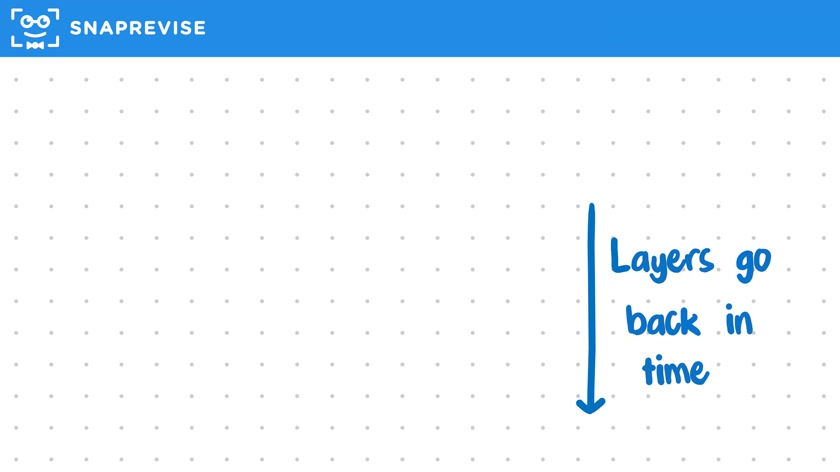
- Scientists date fossils by analyzing the rock layers they are found in, with older layers at the bottom and newer layers on top.
- The fossil record supports Darwin's theory of evolution, showing simpler structures in older fossils and more complex structures in newer ones.
- The fossil record has been used to understand the evolution of horses, from small, multi-toed creatures to larger, single-hoofed animals.
- Fossil data helps model evolutionary relationships and construct evolutionary trees, aiding in understanding our connection to other primates.
Please subscribe to access these revision notes.
This, and all other video notes, are included in our premium subscriptions.
Premium accounts get access to all videos and revision notes.
81
questions for Inheritance, Variation and Evolution
24
questions for The Development of Understanding of Gentics and Evolution