
GCSE Physics (AQA)
346 videos | 23 hours
Please subscribe to watch this video.
This, and all other videos, are included in our premium subscriptions.
Premium accounts get access to all videos.
Enable autoplay to keep watching
Your browser is blocking videos from playing automatically. To turn it back on:
Safari (Mac): Click the Safari menu item in the top bar, then Settings → Websites → Auto-Play, then set Auto-Play to Allow All Auto-Play for the current website.
Safari (iPhone/iPad): open the Settings app, then Apps → Safari → Auto-Play, and select Allow All Auto-Play.
Transmission & Wave Speed
- Water wave transmission can be demonstrated using a ripple tank.
- A wooden plank can be used to create water waves by disturbing the water's surface.
- Waves can be analyzed by observing shadows created by a light above the tank.
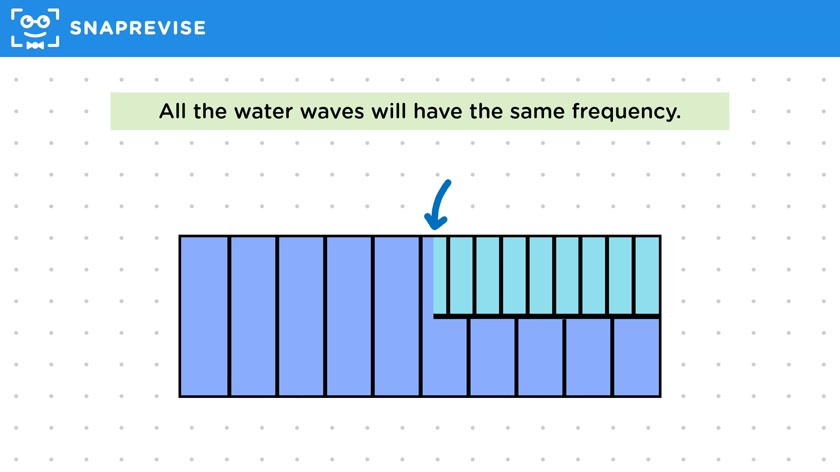
- The tank can be divided into sections with different water depths to study wave behavior.
- Transmission occurs when a wave passes from one medium to another, such as from deep to shallow water.
- Waves in shallow water have a shorter wavelength compared to those in deep water.
- Frequency of water waves remains constant across different media.
- Wave speed in shallow water is slower due to shorter wavelength but same frequency.
- Transmission changes wavelength and speed but not frequency.
- Similar effects occur with light and sound waves at boundaries between different media.
- Light waves slow down and decrease in wavelength when moving from air to glass.
- Sound waves also experience decreased wavelength but unchanged frequency during transmission.
- Understanding these concepts is important for exams, especially for sound waves.
Please subscribe to access these revision notes.
This, and all other video notes, are included in our premium subscriptions.
Premium accounts get access to all videos and revision notes.
172
questions for Waves
72
questions for Waves in air, fluids and solids